

Since the beginning of time, parenting has been seen as an act of tremendous courage—but parenting a child who is navigating mental health challenges asks something even deeper of us: a daily, often invisible commitment to resilience, hope, patience, strength and unconditional love.
It’s a quiet kind of heroism—one without medals or trophies, measured not in winning but in unwavering persistence and in daily feats of mental strength.
This post is for those brave parents standing in that space. The ones walking beside children who feel deeply, who hurt silently, who wrestle with inner storms that we can’t always see. The ones who have faced sleepless nights, school and vocational struggles, panic attacks and manic episodes, depressive spells, or unspoken sadness—and kept going.
If that’s you: you are not alone.
And yes, there is still joy here.
The Quiet Complexity of Childhood Mental Health
Mental health challenges in children can take many forms—anxiety, depression, ADHD, OCD, trauma, or struggles with identity and belonging. Sometimes, these show up in really obvious ways . But, at other times, they’re masked by silence, avoidance, raging anger, or exhausting and debilitating restlessness.
As parents, we may often times feel completely helpless. We want to fix what’s broken, soften what hurts. When our children suffer – we suffer alongside them. But the path forward is less about fixing or healing and much more about providing stability, being consistent with support, managing your own anger and frustration and seeking to understand. We walk alongside them. We bear witness to their suffering each day and we feel it in very tangible ways. We do our best to offer structure, support and love—not as solutions, but as shelter from the storm. It’s not easy.
This is the paradox of parenting through mental illness: you may not be able to take away your child’s pain, but your calm presence and empathy can still be powerful medicine.
Holding Two Truths at Once
I often ask myself: Is it truly okay to feel joy when my child is suffering?
The answer is: yes. And also—it’s absolutely necessary.
You can grieve and laugh in the same day.
You can feel overwhelmed and still watch the sunset.
You can ache with empathy and still dance in the kitchen.
Joy is not betrayal of suffering—it is an act of balance. A way of telling the world, your child and your weary heart: We are still here.
Joy in the Ordinary: A Lifeline, Not a Luxury
When life feels heavy, ordinary joy becomes sacred. A small cup of warm coffee in the morning sunshine. A moment of eye contact that speaks volumes. A shared joke. A cat nap. A long walk around the neighborhood with your spouse. These aren’t frivolous distractions; they’re grounding rituals that help your nervous system, and in small but meaningful ways, your child’s, find moments of peace, clarity and safety again.
Joy doesn’t require a fixed child. Or a quiet mind. Or a solved situation.
It asks only that we notice. That we become curious enough to look and grateful enough to feel life’s blessings- even in the midst of what feels like a raging storm.
Don’t wait for the perfect moment to celebrate small victories. Celebrate them all.
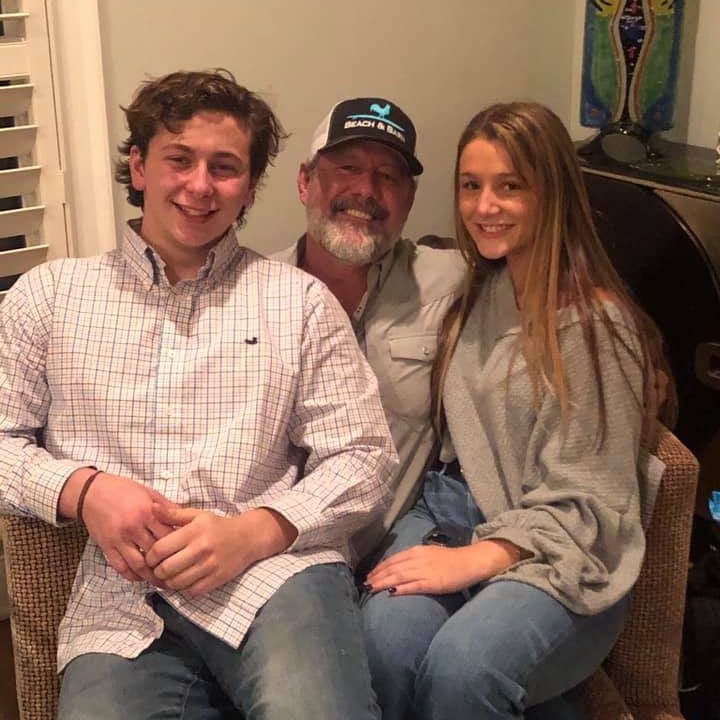
When Words Aren’t Enough: Sometimes Presence Can Be.
You don’t have to always say the right thing. You rarely will.
You don’t have to be a therapist, a spiritual guru, or an expert psychologist.
You only have to show up—with gentleness, consistency, and faith in the slow work of healing.
Sometimes the best gift we can offer a struggling child is the assurance that we’re not afraid of their pain, that we’ll stay close even when things don’t make sense.
Your calm—however imperfect or impossible to maintain—is a sanctuary for the whole family.
You Are Part of the Larger Story
At The Story of Us, we believe that the sacred is not reserved for temples or retreats—it shows up in kitchens and carpool lines, in bedtime tears and whispered prayers. It shows up in the daily bravery of choosing love, again and again…and again.
If you’re walking this road with a child who is hurting, please know:
- Your struggle is real. You’ll feel frustrated, angry and hopeless – OFTEN. Its OK to feel this way. It doesn’t make you a bad parent (though you’ll challenge this belief regularly)
- Your love matters, even when you don’t see the results, keep sending it.
- Your joy matters, even when it feels distant or somehow inappropriate at the time. Sometimes seeing you maintain your happiness is just enough for your child to break through the dark clouds that hang over their head.
- Your story matters—because it is also our story. We also suffer. Not just those with mental health issues. All Humans Suffer. We struggle together – whether we realize it or not.
You’re not walking alone.

July 25-26, 2025
Waterfront Park, Louisville, KY
#StomptheStigma
The Big Stomp is more than a music festival—it’s a movement. Held at Brown-Forman Amphitheater in Louisville’s Waterfront Park, this immersive, multi-day experience is dedicated to stomping the stigma around mental health through music, mindful programming, and interactive experiences.
Proceeds from The Big Stomp benefit The Pete Foundation, a nonprofit committed to advancing mental health awareness, education, and access to care. Your support helps provide lifesaving resources, advocacy, and programs that empower communities and young people to prioritize mental well-being.
Additional Resources & Support
If you or your child need support, consider reaching out to:
- National Alliance on Mental Illness (NAMI)
- Child Mind Institute
- Crisis Text Line – Text HOME to 741741

 The Story of Us.
Leave a comment