
I recently celebrated 9 years of providing leadership to the team at Commonwealth Pain & Spine. Over the past few weeks, I’ve found myself reflecting on all we have accomplished together in what feels like the “blink of an eye”. It’s truly amazing, and perhaps a natural part of the aging process, to recognize how quickly time passes. It seems like just yesterday that I was recruited to Commonwealth by Dr. Young and Dr. Lewis. At that time, I knew nothing of chronic pain medicine, and like many people at the time, had a negatively slanted, preconceived notion of pain physicians and the specialty.
Ultimately, it was their shared passion for patients and vision of the future that sold me. Most importantly, they promised to provide me with the tools and resources necessary to be successful. They committed to me that, if I worked hard, was kind to people and drove the mission, we could be successful. Boy, am I thankful that I accepted the challenge. What a journey thus far.
What started out as a calculated career move has turned into a true passion for helping those that suffer from chronic pain conditions. I’m grateful that I found in Commonwealth not just a job, but a calling that brings meaning to my life. I continue to learn something new with each passing day. Here are a few of the lessons I’ve learned that I hope resonate with you and your loved ones that suffer from chronic pain conditions.
Pain Medicine is Complex… and Not All Providers are Created Equal.
Pain is one of the most universal human experiences—and yet, for those living with chronic pain, the experience is anything but simple. While modern medicine has made tremendous strides in diagnosing and treating the physical origins of pain, the emotional and existential toll it takes—what we call suffering—remains complicated and can be deeply personal to the patient.
The best pain management physicians play a vital and uniquely human role in addressing not only the pain, but also the suffering that accompanies chronic conditions. This is not merely a clinical mission; it is a profoundly compassionate pursuit, rooted in both science and the philosophy of healing. The world is full of heroic pain management providers fighting battles each day The best make an immeasurable impact on the lives of their patients.
Understanding the Difference Between Pain and Suffering
To fully appreciate the role of pain management physicians, it is essential to understand the distinction between pain and suffering:
Pain is a physical sensation—sharp, dull, burning, throbbing—triggered by the nervous system in response to actual or potential damage in the body. It is measurable and treatable to an extent with medications, interventions, and therapies.
Suffering, on the other hand, is the emotional, psychological, and spiritual response to pain. It encompasses fear, isolation, despair, and loss of meaning. While pain might be inevitable at times, suffering is deeply personal—and sometimes preventable or reducible, even when pain persists.
Suffering and the Human Condition
Buddhism offers profound insights into the nature of suffering—insights that can enrich our approach to chronic pain care. According to the Buddha’s first noble truth, “life is suffering” (dukkha)—a recognition that all humans share at least one thing in common. We all experience hardship, dissatisfaction, and loss. We all suffer.
However, Buddhism also teaches that suffering is not just the presence of pain, but our relationship to it. In this view:
Pain is inevitable, but
Suffering because of the pain is optional—rooted in attachment, resistance, and the belief that things should somehow be different.
This doesn’t mean suffering is the fault of the sufferer, but that there is hope—through compassion, mindfulness, and support, the emotional burden of pain can be lightened. The best pain management physicians, when practicing with empathy and wisdom, become agents of this transformation. They play an essential and vital role in our healthcare system and their efforts should be more universally recognized and applauded.
Pain Management Physicians are Alchemists of Hope
In many ways, pain management specialists are the alchemists of modern medicine. They cannot always eliminate pain entirely, but they can help transform the experience of pain into something more manageable—and sometimes, more meaningful.
In my humble opinion, here are a few examples of how the best providers differentiate themselves:
- Treating the Whole Person
The best pain physicians do not merely prescribe medication—they seek to understand the story behind the pain: the trauma, the limitations, the fears. They approach care with an interdisciplinary lens that often includes orchestrating care and collaborating with others to provide a combination of interventions. These may include physical therapy, behavioral health, low acuity interventions such as injections, blocks and ablations, more advanced therapies including neuromodulation and minimally evasive surgeries and even, mindfulness practices, and lifestyle medicine. - Offering Compassionate Presence
When patients feel seen, heard, and validated, something profound happens: the burden of suffering begins to lift. Compassion is not a soft skill—it’s a clinical necessity. This human connection builds trust, resilience, and openness to healing. The best physicians are empathetic, compassionate and practice deep listening skills. - Restoring Hope
At the core of every chronic pain patient’s journey is a quiet plea: “Please tell me there’s still hope.” Pain management physicians are uniquely positioned to answer this call—not with empty promises, but with real options, evolving treatments, and a genuine belief that relief is possible. They can offer various modalities ranging from medication adjustments to cutting-edge therapies, ensuring patients feel supported and understood. This approach not only empowers individuals in their recovery but also fosters a therapeutic environment where hope can flourish, encouraging patients to actively participate in their healing journey.
Reclaiming Life, Not Just Reducing Pain
Ultimately, the goal of the best pain management practices is not simply to reduce pain scores—it’s to restore lives and enhance overall well-being. It’s to help patients return to the roles, relationships, and passions that give life meaning, allowing them to reconnect with their loved ones and pursue their interests with renewed vigor. It’s to shift the narrative from helplessness to agency, from endurance to empowerment, by equipping individuals with the tools and strategies they need to manage their pain effectively. Through a holistic approach that addresses both physical and emotional needs, pain management can transform lives, fostering resilience and promoting a brighter future where patients can thrive rather than merely survive.
This is the work of relieving suffering. This is the promise of hope.
Our Sacred Responsibility
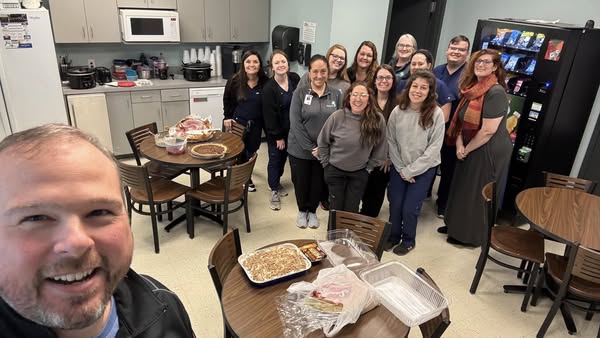
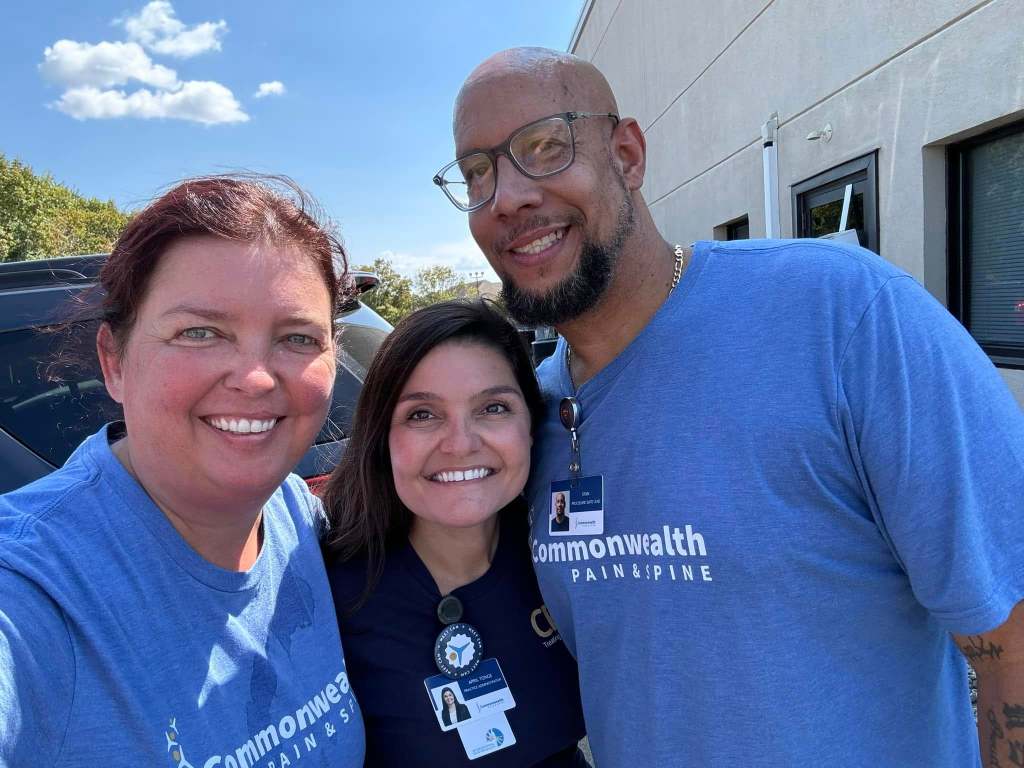
I am tremendously proud of our team at Commonwealth Pain & Spine. From front of house to back of house, it is my hope that each employee in their own unique way believes that all people deserve freedom from unnecessary suffering. They recognize that chronic pain is not just a medical condition but a deeply human one—requiring a combination of expertise, compassion, and above all, hope. Our understanding stems from the acknowledgment that behind every pain is a story, a life affected, and dreams impacted.
Through a multidisciplinary, patient-centered approach, our pain management physicians strive to do more than just treat symptoms—they walk alongside patients on their path to healing. We understand that effective pain management often requires a variety of strategies. Our team collaborates closely with experts from various fields ensuring that every aspect of our patients’ pain management is addressed holistically.
We emphasize open communication and education, empowering our patients to be active participants in their treatment journey. By using innovative techniques and adhering to the latest medical advancements, we tailor our treatments to meet the unique needs of each individual. Our goal is not merely to alleviate pain but to restore quality of life, helping patients regain control and pursue their passions with renewed vigor. Together, we foster a supportive environment where healing is possible and hope thrives.
It is an extremely difficult mission. If you are one of the many people on the front lines, down in the trenches, trying your best to help chronic pain patients improve their quality of life… Hats Off to You! Keep fighting. Recognize the impact you make in the lives of your patients – sometimes in small but very meaningful ways.
Where there is pain, there is suffering, a profound experience that many endure in silence. But where there is care, there is always hope, a vital force that ignites the spirit and fosters resilience. In the midst of adversity, it is often the compassion of others that helps pave the way toward healing and renewal.
As we navigate our struggles, the presence of kindness and understanding can transform our darkest moments into opportunities for growth, reminding us that even in the depths of despair, the promise of a brighter tomorrow awaits us.

Did this message speak to you? Interested in talking more about the topics discussed? Reach out to us and we will feature you on an upcoming episode of our podcast.
 The Story of Us.
Leave a comment