
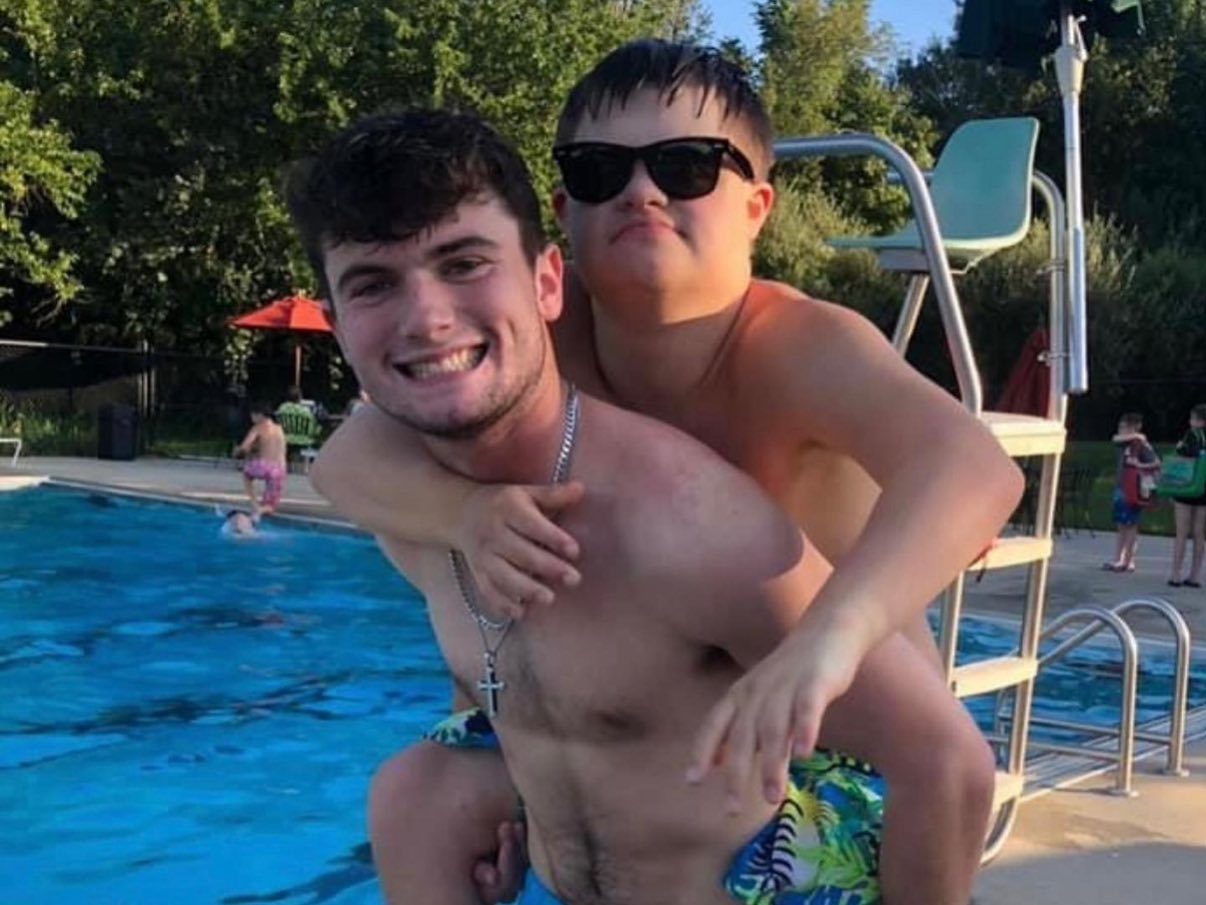
In a complicated world fixated on stats, trophies and final scores, the quiet work of the human heart is easily overlooked. But as I sat down with Drake Ballard on our recent episode entitled, “Beyond the Scoreboard: Grit, Compassion and the Humanizing Heart of a Champion” I was reminded that the game which matters most is the one we play inside each other’s lives. If you listen closely to this episode, you’ll hear not just why we think the greatest victories aren’t captured in the box score, but you’ll also hear a shining example of just one of many new voices that will shepherd us through this next chapter in The Story of Us. A future chapter that can still be written with a healthy mix of compassion, empathy and refreshingly deep respect for what it means to be fully human.
At The Story of Us Project, we believe that in each of our conversations, there are powerful lessons to be learned if we practice deep listening. In reflection, here are the messages I hope you take a way from our latest episode with Drake:
1. Seeing the Fully Human
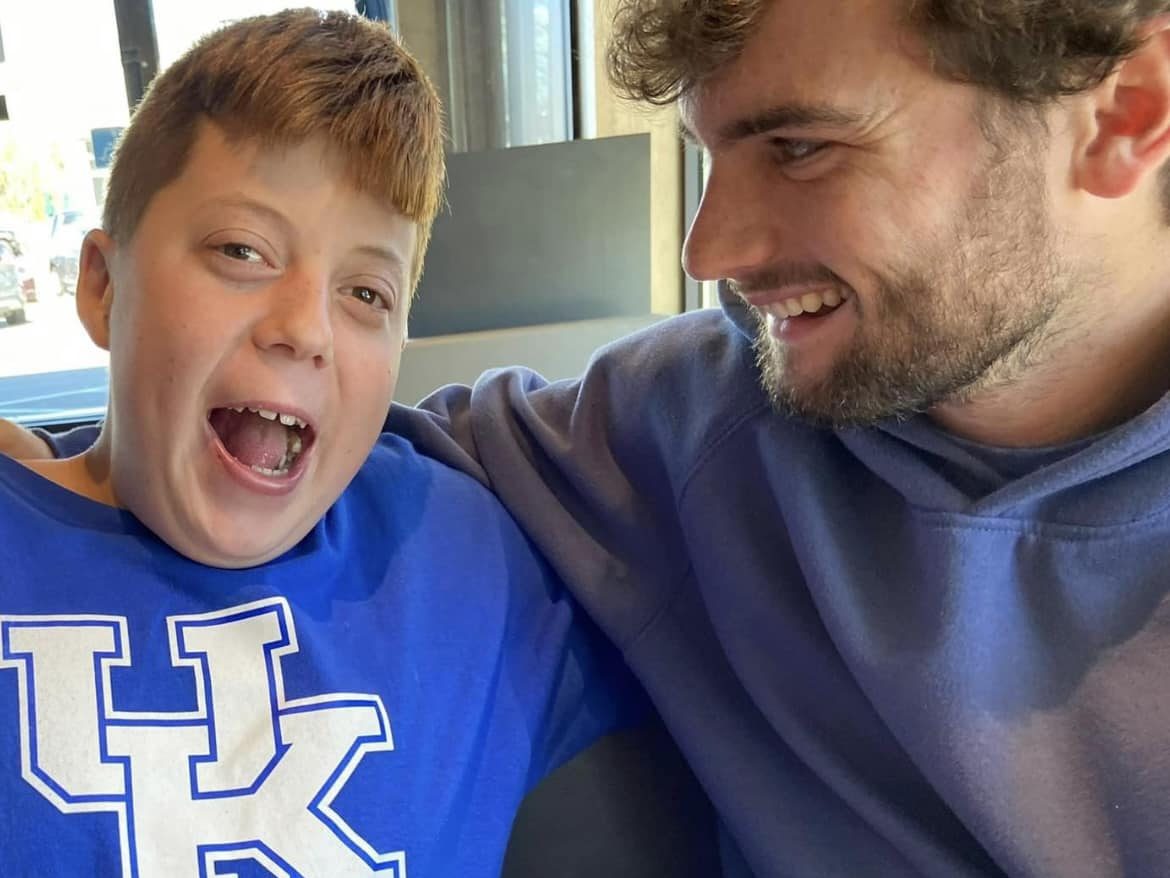
Drake’s journey is leading him to a life of serving others : particularly those young adults with both mental and physical challenges. Along the way, he’s discovered that joy often blooms in the small things: a clear word, a steady step, a moment of connection.
Drake teaches us that, “helping a child with disabilities begins with seeing them as fully human—and refusing to lower the bar on their potential.”
There’s real poetry and power in that line. What it implies is radical: that we begin to build connection to others not with pity, but with presence; not with limitation, but with expectation. In the same way we expect a pitcher to throw strikes, we can expect a child with a disability to grow, to contribute, to surprise us both downward and upward.
2. Gratitude- The Secret to Happiness
Drake’s humanizing heart radiates throughout our conversation. However, the segment of our episode that really smacked me in the face is captured from the transcript below:
00:25:37.200 –> Jeff – “what you said earlier that just struck me so hard was what does it mean to be fully human? So can you tell a little bit about what they’ve taught you about resiliency?, finding moments of joy in the small things.”
00:25:53.869 –> Drake – “Well, let me ask you a question first. You might not have a lot of experience, but in what experience you’ve had with encountering people with disabilities, are they usually happy or sad?”
**KaBoom**
There it is in all it’s simple glory – that’s the aha moment, the spark of something very powerful that we can take with us. Drake continues on with his message and delivers some valuable insight:
“they’re almost always happy… they have something to complain about… we’re the ones that are angry at the world when our coffee spills or our car breaks down.”
What a reframe. These young and vulnerable humans, often dismissed by society’s fragile standards, teach the rest of us a much harder lesson about both presence and gratitude: About living life in the now while remembering to show our gratitude for the small joys of every day life.
“They’re not worried about tomorrow; they’re where their feet are.”
The older I get, the more convinced I am that this accurately distills down to us the secret to living a happy and fulfilled life – Being present and being grateful. When practiced in combination, it can be life altering to most humans. Gratitude doesn’t wait for the momentum to shift. It lives in the present moment and may be the key to happiness .
Gratitude is a chosen state of mind. Its an attitude of appreciation under any circumstance. It means expressing appreciation in the routine of daily living (even when nothing especially exciting happens). That’s what makes true gratitude such a powerful elixir for the human heart – you don’t need something good to happen to have gratitude, and when bad things happen, your gratitude doesn’t falter. Gratitude can be found in the overlooked “small” things in life – the warmth of a hot shower, the roof of your house on a cold and rainy night, a kitchen pantry overflowing with abundance or a simple text from a good friend. Perhaps, like Aunt Kathy reminds us in Episode 3 “After Dinner Reflections with Kathy Thompson“, starting to be more grateful can simply begin with showing appreciation for just waking up and having the privilege to enjoy another day.
“Everybody calls God something different. Yahweh. God. The supreme being. It doesn’t matter to me. I know it’s there. And that’s who I call upon every morning. And I say thank you for letting me have another day. I like to do that before I get out of bed… I gotta say thanks for the day… And it’s just giving thanks for being this person on the planet, and that you’re here. This human on the planet – because we’re all here for a reason.”
Kathy uses the words “Thank You” and they’re very beautiful in this context, but I’ve found that being thankful and practicing gratitude are quite different things. We all grew up being told to say “Thank You” when someone did something kind for us. It became easy to use these terms interchangeably, but what I’m learning is that thankfulness and gratitude are not synonyms.
Thankfulness is a reaction. It’s a temporary emotional response to a temporary circumstance. When something good or exciting happens, it’s easy to be thankful. We appreciate the warm feelings that come with gifts or happy news. Thankfulness involves how we feel in the moment, and like all feelings, eventually, it fades away. But when it fades, there’s often space leftover for gratitude to remain. Gratitude begins as thankfulness, but the difference happens when you keep your focus on everything that remains as thankfulness slowly vanishes.
When we practice gratitude, we rely on our inner voice to remain appreciative in all circumstances. In the words of Jay Shetty,
“Gratitude unlocks the fullness of life. It turns what we have into enough and more. It turns denial into acceptance, chaos to order, and confusion into clarity. It can turn a meal into a feast, a house into a home, a stranger into a friend. Gratitude makes sense of our past, brings peace for today, and creates a vision for tomorrow”
3. Standing Beside, Not In Front
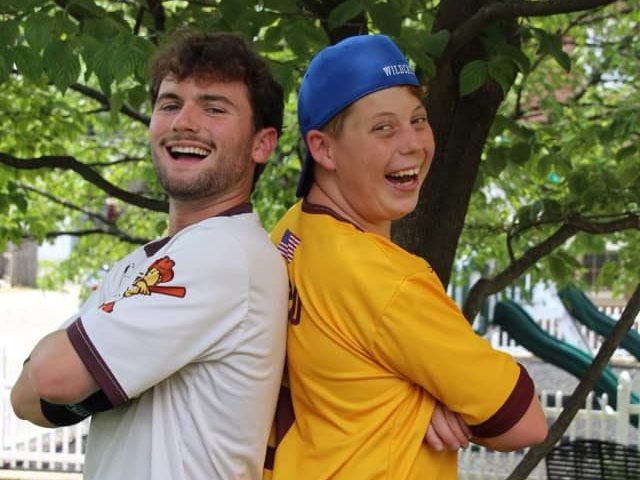
When we think of leadership, we often imagine someone standing in front, directing, commanding. But Drake flips the frame: “support for those suffering from mental and physical challenges means standing beside, not in front—so they can step forward on their own.”
Here’s the elevation: we don’t carry them; we empower them. We don’t speak for them; we listen with them. We don’t drag them into the spotlight—they already have light inside them, we just help it find the switch. Research supports the power of empathy in inclusive environments: kids who feel supported, seen and capable are far more likely to thrive in community settings.
At the heart of this work is trust: that a child with a disability is first a person, not a project; first a being, not a burden.

4. Partnerships Can Help Build Lives
The non-profit world plays a pivotal role here. One beautiful example is Louisville-based Dreams with Wings , whose mission is to “empower children and adults with intellectual/developmental disabilities and autism as they recognize their strengths, contribute to their community and live a lifetime of purpose.” That mission echoes Drake’s philosophy: don’t hide dreams—build wings for them.
Whether in sport, therapy, camp, or everyday interaction, the work is the same: create environments where dignity and expectation meet. Dreams with Wings illuminates this by offering summer camps, residential services, therapies and community inclusion programs—serving children who too often sit on society’s bench. When we align our leadership with compassion, when we include rather than exclude, we honor what the research calls inclusive interventions: efforts that remove barriers and affirm belonging.
5. Lessons from the Diamond
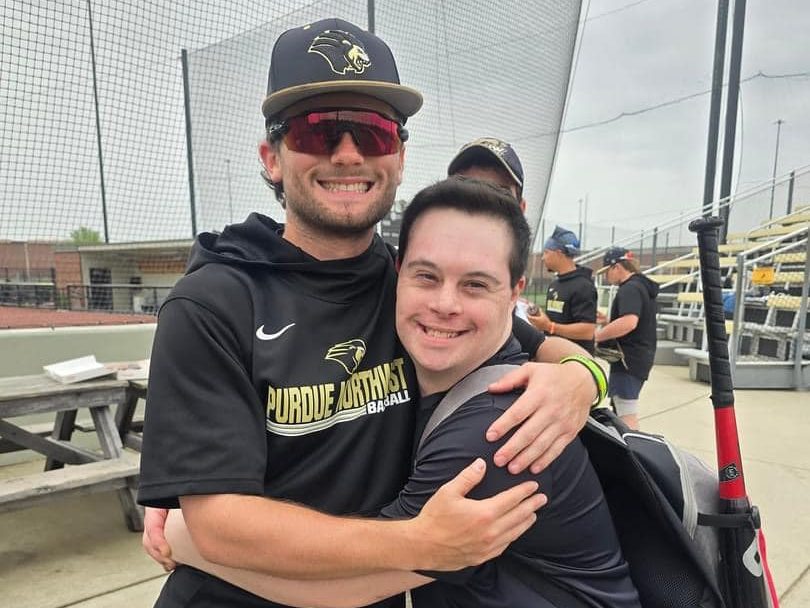
Drake’s early run on the baseball field taught him lessons that stretch far beyond the base paths. It taught him about process, presence and the value of preparation. About how winning looks different when the scoreboard disappears. He remembers standing on that ball field—bat bag in hand, eyes wide open—when the world still felt full of potential. The same potential he now sees in each child whose life he touches.
In the diamond’s dust he learnt: the real “inning” is a beautiful collection of life’s small moments that often go unnoticed amid the chaos of everyday life. It is in these fleeting instances—a shared smile, a gentle touch, or a moment of silence—that true joy resides. The real coach is compassion, guiding us to navigate through challenges with empathy and understanding. It teaches us that every act of kindness, no matter how small, contributes to the greater good. The real team is humanity, a collective of diverse individuals working together, supporting one another, and celebrating each other’s achievements, no matter how insignificant they may seem in the grand scheme of things. In this journey, it becomes clear that connection, love, and compassion are the true measures of success.
Invitation to You
So what is the takeaway for us—hosts, listeners, dreamers, makers of change?
- See the person first. Refuse to lower the bar on someone’s potential just because society thinks they’re “different.”
- Walk beside, don’t lead from ahead. Your role isn’t to carry them to your victory. It’s to hand them their own glove and say: you can do this.
- Find joy in the little wins. A word spoken, a step taken, a milestone unseen by scoreboard lights: celebrate it.
- Be where your feet are. Don’t live ahead of the moment. Don’t live behind the disappointment. Don’t live creeping up on the next achievement. Be present. Life is happening.
- Lean into community and support. Whether you volunteer at Dreams with Wings, coach, mentor, listen, or simply believe—it matters.
In this next generation, we need to recalibrate what victory looks like. We need leaders who aren’t afraid to swap the podium for the bleachers. Who see the underdog seat, bring kindness, and shout:
YOU BELONG HERE
Drake Ballard reminds us that the human game is longer, quieter, richer than any Best of 7 series. That compassion and grit shape the game of lives. That sometimes the best runs come when we’re simply running alongside someone else. Let’s keep score of those moments. Let’s measure by humanity. And let’s remember: this isn’t just a podcast. This is The Story of Us—written one small victory at a time.
 The Story of Us.
Leave a comment