Once Upon a Time in Suburban America
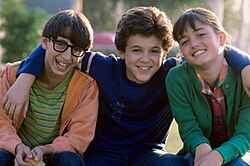
If you grew up in the late 80’s like me, The Wonder Years was more than just a TV show — it was a soft-focus time machine into what’s always been perceived as the “good ol’ days”. Kevin Arnold, with his awkward charm and wide-eyed innocence, was the personification of growing up. Between Winnie Cooper’s mystique and the narration of adult Kevin looking back, we were invited into that sacred space between what was and what might be. If your family huddled around the TV on Tuesday’s Nights watching this show, you can probably still hear the opening chords of Joe Cocker’s gravelly “With a Little Help from My Friends” and still feel that small pang of wistfulness.
Sandwiched between Full House, Roseanne and Home Improvement, this show painted youth as the original epic — the age of discovery, heartbreak, and wonder. The Wonder Years weren’t just about childhood. They were about awareness — that fleeting, fragile realization that you’re standing inside a moment that will one day mean everything.
But here’s the twist: what if the true Wonder Years aren’t behind us at all? What if the “good ol’ days” are happening right now, as we stand at the threshold of middle age — reading glasses perched, Spotify playlists filled with “retro” hits , and watching our kids fly the coop?
Reframing the Wonder
In his masterful biography of Leonardo da Vinci, University Professor, chairman of CNN and editor of Time, Walter Isaacson drafted a beautiful conclusion. He reminds us that da Vinci wasn’t merely a genius but also very human – “quirky and obsessive and playful and easily distracted…” He suggests that da Vinci’s life offers up a wealth of valuable lessons, one of which he claims is to Retain a childlike sense of wonder. In Isaacson’s words,
“At a certain point in life, most of us quit puzzling over everyday phenomena. We might savory the beauty of the blue sky, but we no longer bother to wonder why it is that color. Leonardo did. So did Einstein, who wrote to another friend, ‘You and I never cease to stand like curious children before the great mystery into which we were born.’ We should be careful to never outgrow our Wonder Years, or to let our children do so.”
This is a lesson I can appreciate. Turning 50 is a strange kind of alchemy. You’ve gathered enough years to see patterns, to understand irony, to sense time’s accelerating pulse – to be a little damaged by it all. You’ve become, in essence, the narrator of your own Wonder Years.
When you’re young, wonder comes from discovery — the firsts that make your pulse race. Your first love, your first heartbreak, your first taste of freedom or the first time you realized your parents didn’t have all the answers.
But, when you’re middle-aged, wonder can now come from rediscovery. From realizing you can still surprise yourself. From understanding that growth isn’t something you outgrow. It’s a time to rediscover yourself, your purpose, and what still stirs your soul.
This is the new Wonder Years — a chapter in the story of our lives where the world hasn’t gotten smaller, but sharper. Where joy isn’t a sugar rush; it’s a slow sip of good Kentucky Bourbon. Where laugh lines, a balding head and the emergence of sunspots are recognized as the proof of a life well lived- so far.
It’s not about chasing the past. It’s about catching your breath long enough to see that the present — this ordinary, miraculous, coffee-stained, car commutes-and-contemplation present — is worth stepping back and marveling at with childlike eyes.
This new era isn’t about reclaiming your youth ; it’s about reclaiming your meaning. It’s the moment we realize that enlightenment doesn’t always happen on a mountain top — sometimes it happens at the kitchen table, looking across at the empty chair where your kid used to sit, and thinking, Wow, look how far we’ve all come.
From Empty Nest to Open Sky
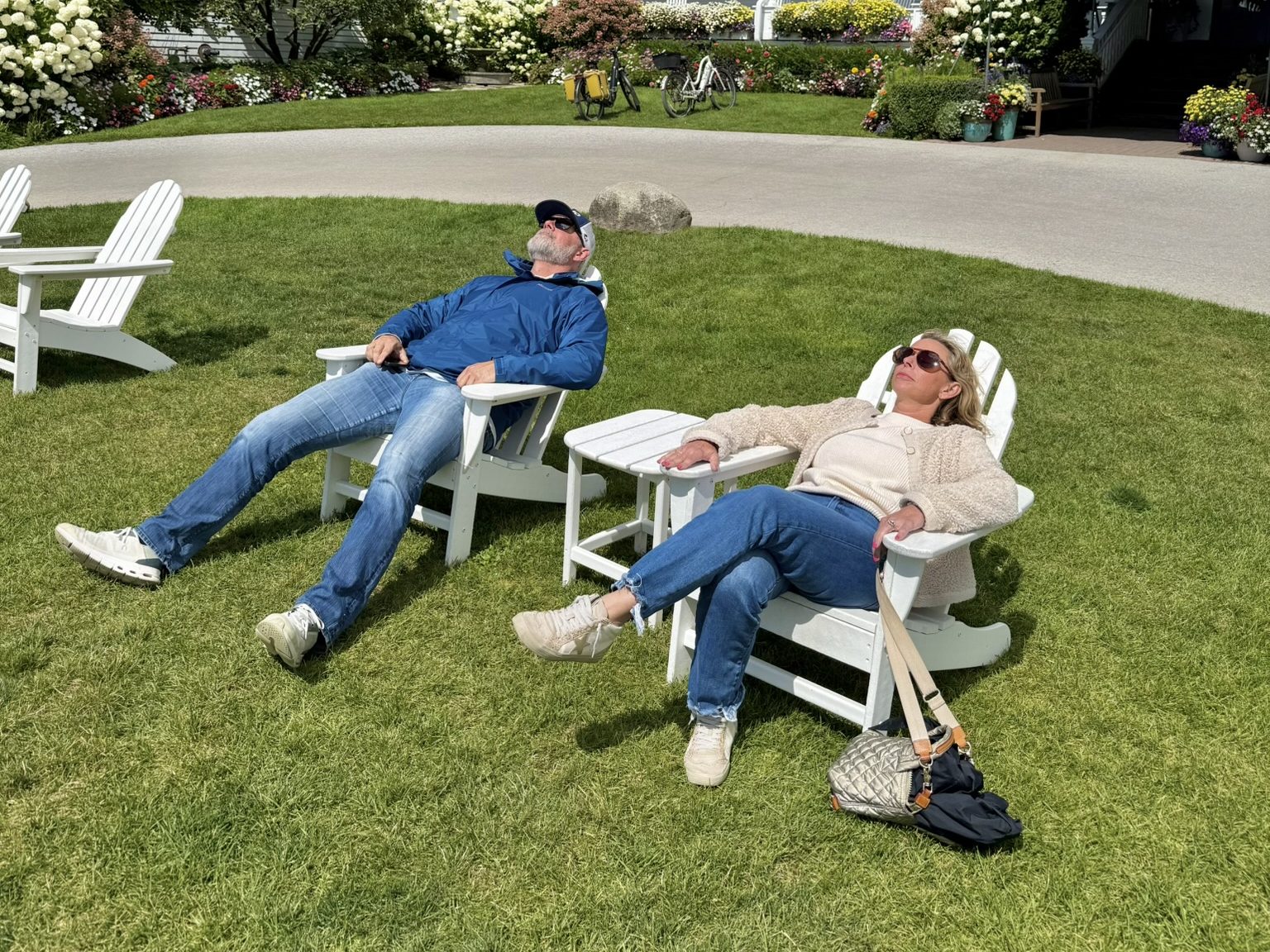
For many fathers, the transition to empty nesting feels like an emotional reboot — part grief, part liberation. The house is quieter, but so is the mind. There’s room again for curiosity, creativity, and yes, even a little old fashioned mischief.
When the kids move out, a strange quiet sets in. It’s disorienting at first — the kind of silence that echoes. But soon, that stillness becomes a stage. Suddenly, there’s time again. Time to think, to feel, to pick up a guitar or a book or a forgotten passion. Time to sit with your spouse and realize you’re both still the same kids who met decades ago — only wiser, funnier, and less afraid of looking foolish.
In that silence, wonder sneaks back in — not as a flash of excitement, but as a steady hum of gratitude. You start noticing the subtle richness of life: the way the morning light hits the coffee steam, the sound of your wife’s laughter in the other room while she’s scrolls through Instagram reels, the pleasure of curly up with a good book on a Friday night.
The empty nest isn’t the end of something. It’s the beginning of spaciousness. It’s the pause in the song where you finally hear the beauty of the notes that came before.
And in that space, wonder doesn’t vanish — it evolves.
It becomes curiosity about your own unfolding story. Gratitude for the everyday graces you used to rush past. A deep, quiet awe at the fact that you’re still here, still growing, still learning how to love better, still making mistakes – and never ceasing to stand like a curious child before the great mystery was life.
Middle age, it turns out, is the second adolescence — only this time, you know how to use the car keys responsibly.
You start asking big questions again:
- Who am I when I’m not someone’s daily hero?
- What do I still want to learn, create, explore?
- What’s left undone in the great story of us?
Reclaiming the Magic of “Now”
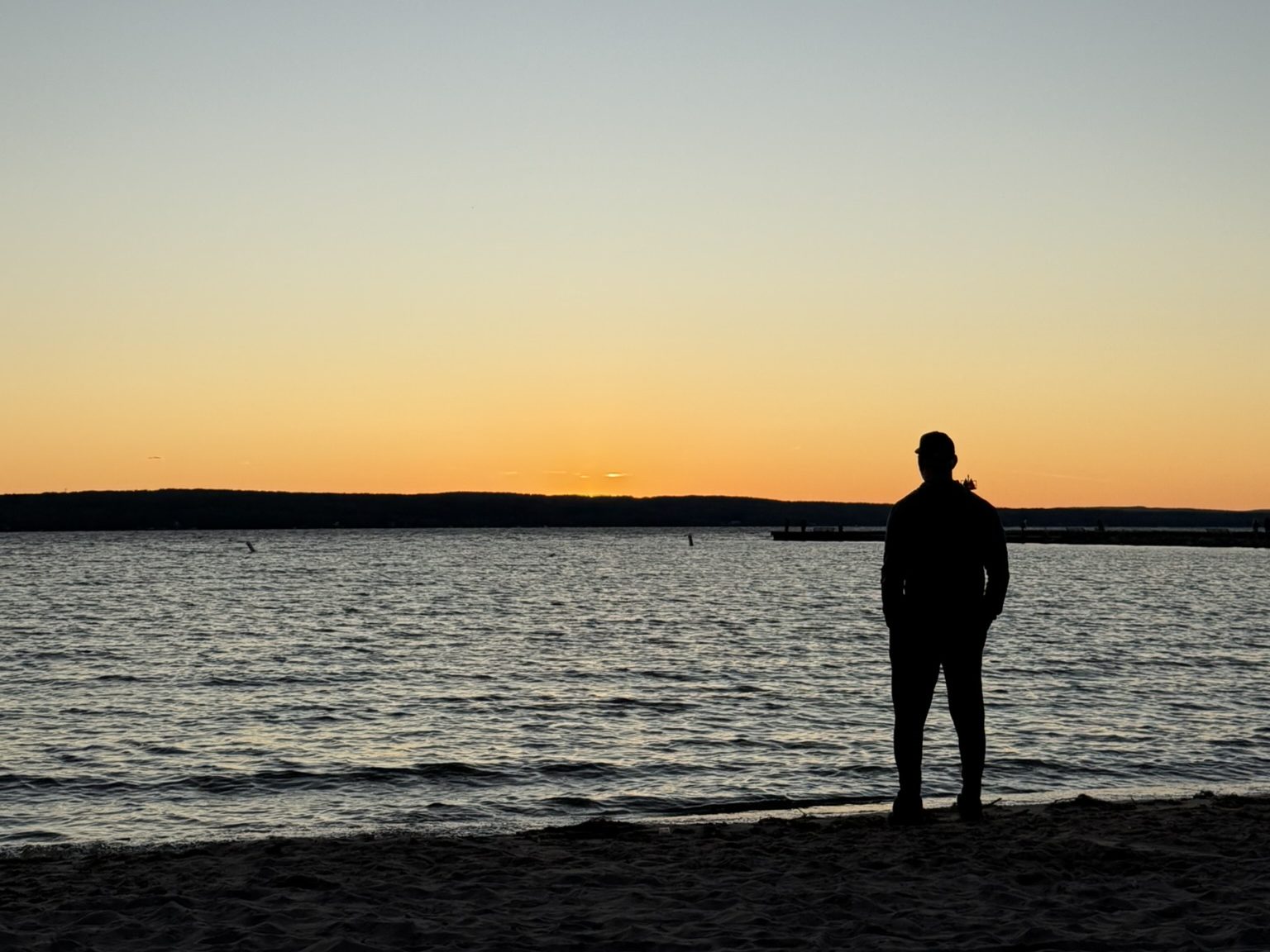
We used to think the Wonder Years were defined by the things that happened to us — the events, the milestones, the soundtracks of youth. But as it turns out, the real wonder was in how we saw it all.
Perspective — that’s the secret sauce. A teenager experiences everything for the first time. A middle-aged soul experiences it for what it truly is.
We start seeing our parents’ faces staring back at us in the mirror. We start marveling at our children’s courage in their choices. We feel the pulse of time in our bones and realize how precious — and how brief — it all is.
This awareness, this bittersweet clarity, is wonder. It’s awe refined by experience, sharpened by loss, softened by love.
We start to understand that the beauty of life isn’t in the “remember when’s,” but in the right now. The present moment — with all its imperfections, receding hairlines, wrinkles, and grace — is the real coming-of-age story.
The Story of Us: Still Being Written

Maybe The Wonder Years was never about childhood at all. Maybe it was always about perspective — about learning to see ordinary life as extraordinary.
Maybe The Wonder Years were never just about growing up; maybe they were about waking up.
The show ended with adult Kevin narrating his younger life from a wiser distance — that omniscient voice reminding us that even the ordinary days were extraordinary all along. That’s where we find ourselves now: narrators of our own story, still learning, still laughing, still discovering new layers of wonder in familiar places. Middle age isn’t a curtain call. It’s the start of Act Two — the one where the characters finally understand the plot.
So yes, we may be a little older, a little stiffer, and a little more likely to forget why we walked into the room. But we’ve also never been more alive, more awake, or more capable of awe. Our kids may have flown the nest, but wonder still lives here — perched quietly on the windowsill, waiting for us to notice.
So here’s to us — the middle-aged dreamers, the recovering multitaskers, the rediscoverers of slow mornings and long walks. Here’s to the Dads who are learning to listen more, to laugh at themselves, and to find beauty in the passing of time.
Here’s to realizing that The Wonder Years weren’t an early chapter — they were the whole damn book.
Because in the end, life isn’t about holding on to youth. It’s about holding on to wonder.
 The Story of Us.
Leave a comment