This article summarizes insights from “This One Research Study Will Change How You Think About Your Entire Life” on The Mel Robbins Podcast, featuring Dr. Todd Rose (author of Collective Illusions, cofounder & CEO of Populace, former Harvard Graduate School of Education faculty). Full credit to Mel Robbins and Dr. Todd Rose for the research and ideas discussed.

I recently stumbled on a podcast that everyone should hear. I’ve embedded the link above—tap it if you’re curious. But even if you skip it, here’s my take on the lessons it taught me, and how they echo something my daughter Peyton once lived—and shared—with us on our own podcast.
The Big Idea
Most of us want the same core things: meaningful work, trustworthy relationships, dignity, and community. Yet we’re tricked by collective illusions—the loud few convince us that everyone else cares more about fame, status, or fighting. Our brains even reward us for going along with the ruse.
Dr. Todd Rose calls this the belonging paradox: When our views match the group, our brains fire a reward signal; when they don’t, we feel an error. So, “I’ll have what they’re having” escapes our lips before our values do.
Social media amplifies this distortion. A handful of very loud voices—and more then a few bot farms—make it seem like the world’s gone crazy. But data shows otherwise: privately, we agree on far more than we’re led to believe. Most people prize character, contribution, relationships, and community. Pursuing those things boosts life satisfaction dramatically—about as much as doubling your income. Chasing fame or fortune? It won’t move the needle at all.
Self-silencing, though, is costly. Chronic inauthenticity erodes mental and physical health and corrodes trust. The antidote is simple but radical: small, honest acts of authenticity.
“We agree on far more than we’re led to believe.”
— Mel Robbins & Todd Rose
“Belonging says you’re accepted as you are. Fitting in says you’re accepted if.”
From Research to Real Life

Scientific charts belong in labs, the true reality was unfolding in a Manhattan apartment last summer, where a young woman from Kentucky learned to befriend herself.
When Peyton packed for New York, she wasn’t just chasing a dream—she was chasing herself.
“A lot of people are uncomfortable being alone,” she said. “But I found power in it.”
That’s Jay Shetty’s “sacred difference between loneliness and solitude,” made flesh. Mel Robbins calls authenticity the kryptonite to illusion; Peyton lived it each time she sat in Central Park, notebook open, crying in public and realizing that the city’s heartbeat was her own.
Authenticity isn’t rebellion—it’s remembering. It’s whispering, I am enough. I am doing good. I am exactly where I need to be.
The Illusion Machine
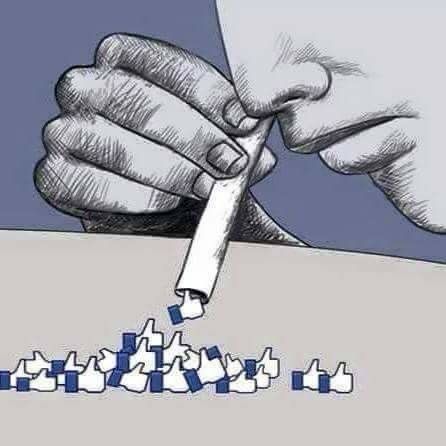
We’re living in an era where the most powerful drug isn’t illegal—it’s in our pockets. Each vibration trains our nervous system to crave validation. Every like, heart, and comment becomes a micro-dose of dopamine whispering: You matter. You’re seen.
But slowly, we stop curating content and start curating ourselves. Personalities become performances. We no longer ask, “What do I feel?” but “What will get engagement?” We trade authenticity for fake applause. We become externally regulated—our worth outsourced to algorithms built to exploit our insecurities.
We mistake attention for connection, reaction for relationship.
And the cure for loneliness? It’s not more likes.
The medicine for shame? Not more followers.
The antidote to emptiness? Not found in a comment section.
The Courage to Belong to Yourself
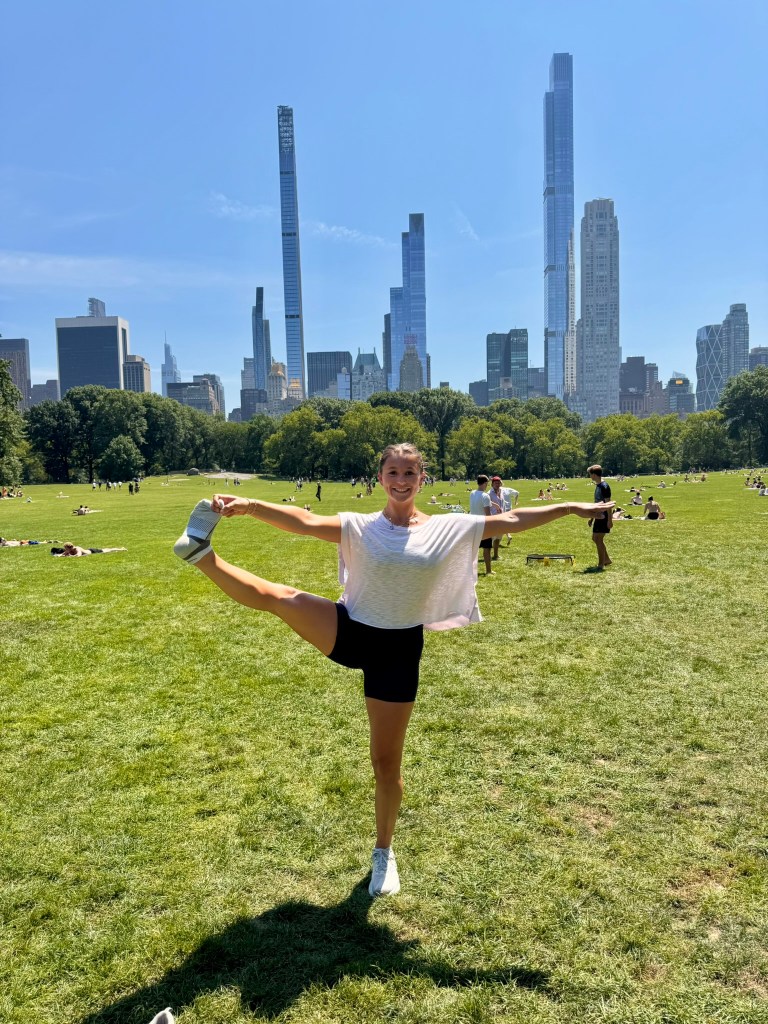
Peyton’s small acts of authenticity—ordering club soda when everyone else orders espresso martinis (sometimes!), exploring alone, crying in public—are revolutionary. They train the brain toward confidence and belonging, not conformity.
Dr. Rose’s data confirms it: people who live by their private priorities—family, service, integrity, community—are exponentially happier. The reward circuitry of authenticity lights up like a radiant star.
The Lost Art of Connection
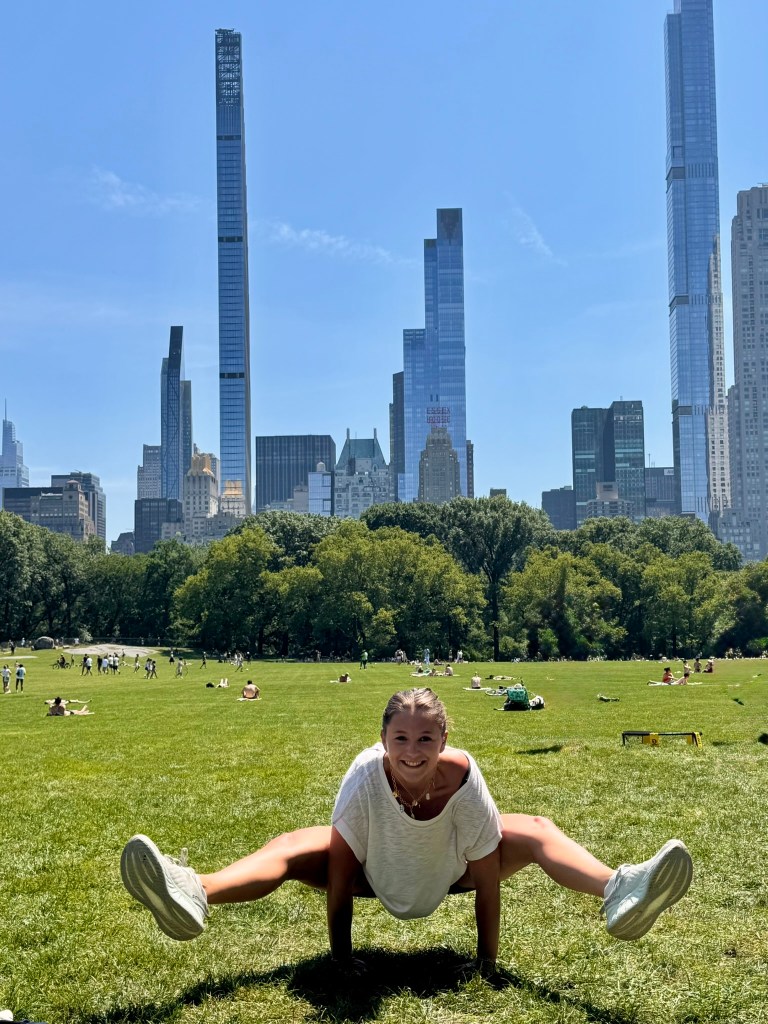
If you think the world is cruel, spend a summer in New York. Peyton found kindness everywhere—on barstools and in subway cars, in strangers who cared about who she was and how she was doing.
“They were fascinated that I was from Kentucky—and genuinely happy I was there,” she said.
Her story mirrors the Populace data: behind the noise, most humans want the same things—dignity, purpose, health, respect, and love. Big City or Country Road, we’re not that different. Be true to yourself. Treat people how you wish to be treated, and the sit back and watch—what you give will find its way back.
In our podcast, Peyton reminded us: see strangers as stories. Everyone carries their own private novel. Everyone suffers, and that shared suffering is the thread that binds us to all of humanity.
Collective Illusions, Collective Healing
Rose warns that self-silencing corrodes trust; Peyton proves that vulnerability restores it. When she wrote about her body-image struggles, her honesty didn’t invite pity—it sparked a chorus of “Me too’s” and “You Go Girl’s”. Each reply was a small, but powerful, act of collective healing.
Authenticity scales. From one truth-teller to a family, a community, a world.
So, remember: Go be great.
Not the loud kind that shouts for status—but the quiet, luminous kind that starts by being true to yourself.
Practical Tools (Small Acts, Interstellar Returns)
1. Mel Robbins’ Two Magic Phrases:
- “Let them.” Let others live their truth; it frees them—and you. Release the urge to control others’ beliefs and behavior; it creates space for their authenticity.
- “Let me.” Give yourself the same grace: to speak honestly, to decline that drink, to change your damn mind.
2. Start Now! One small authentic act per day.
Order the club soda, even if its Wine Down Wednesday. Speak your truth once in a meeting. Say, “Actually, I’d rather not go there—could we try ___?” Wear the thing that feels like you. Rock that cowboy hat (even if you’ve never owned a horse). Momentum follows.
3. Name your private priorities.
List the five values that define a life well lived. (e.g., “be trustworthy,” “do work that helps people,” “be engaged in my community”) Circle one you’re neglecting. Take one small step this week to honor it.
4. Build a local constellation.
Join something real—a trail cleanup, book club, faith group, poker night.
Community engagement is the most underachieved human need. Real humans need real human connection. Put down your phone and meet an old friend for a old fashioned, face-to-face gab session. Your soul will thank you.
You Can Start an Avalanche of Authenticity
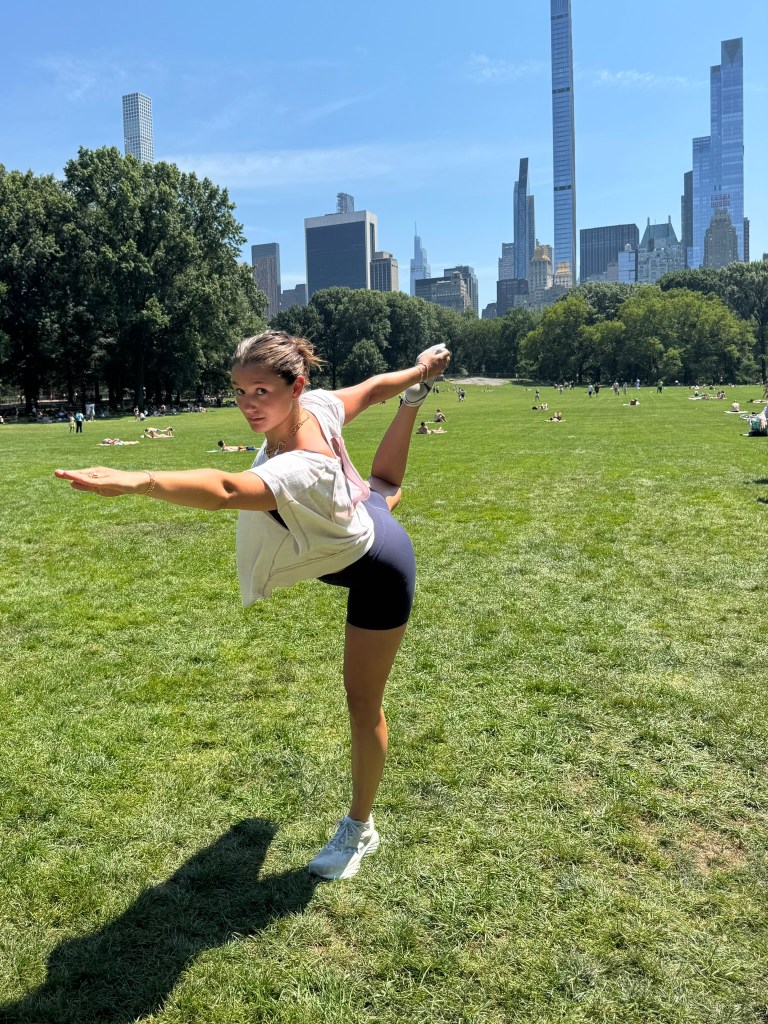
Together, our friends Mel, Dr. Rose and Peyton are each telling us the same thing. They remind us that the story of us isn’t written by the loudest voices—it’s written in the small, courageous choices that ripple outward.
So tonight, wherever you are—under fluorescent city lights or a moon lit Kentucky sky—look up. Remember: you’re not alone in the galaxy or the group chat. We belong, not because we conform, but because we dare to be seen.
Let your soul shine.
“When you can’t find the light
To guide you through a cloudy day
When the stars ain’t shinin’ bright
You feel like you’ve lost you’re way
When the candle lights of home
Burn so very far away
Well, you got to let your soul shine
Just like my daddy used to say
He used to say, “Soulshine
It’s better than sunshine
It’s better than moonshine
Damn sure better than rain
Hey, now people don’t mind
We all feel this way sometime
You got to let your soul shine
Shine till the break of day”
 The Story of Us.
Leave a comment