On the most recent episode of our podcast, The Story of Us: From Cosmic Dawn to the Depths of Being, we were joined by Doug Brouwer- Pastor, world traveler and author of The Traveler’s Path: Finding Spiritual Growth and Inspiration Through Travel .
I’ve provided links below to both the episode and Doug’s book. Check’em out!
Doug is a remarkable person and was a wonderful guest. He has over 40 years of pastoral ministry in both the U.S. and Europe, and has spent much of his career leading mission teams, study tours, and pilgrimages across the World. The stories he tells of his “worthy adventures” reveal to us how travel can possibly reshape our understanding of ourselves, others, and the divine.
After reading his book and spending some time with him, I came away asking the question:
What if travel isn’t really about where we go per se — but about who we become along the way?
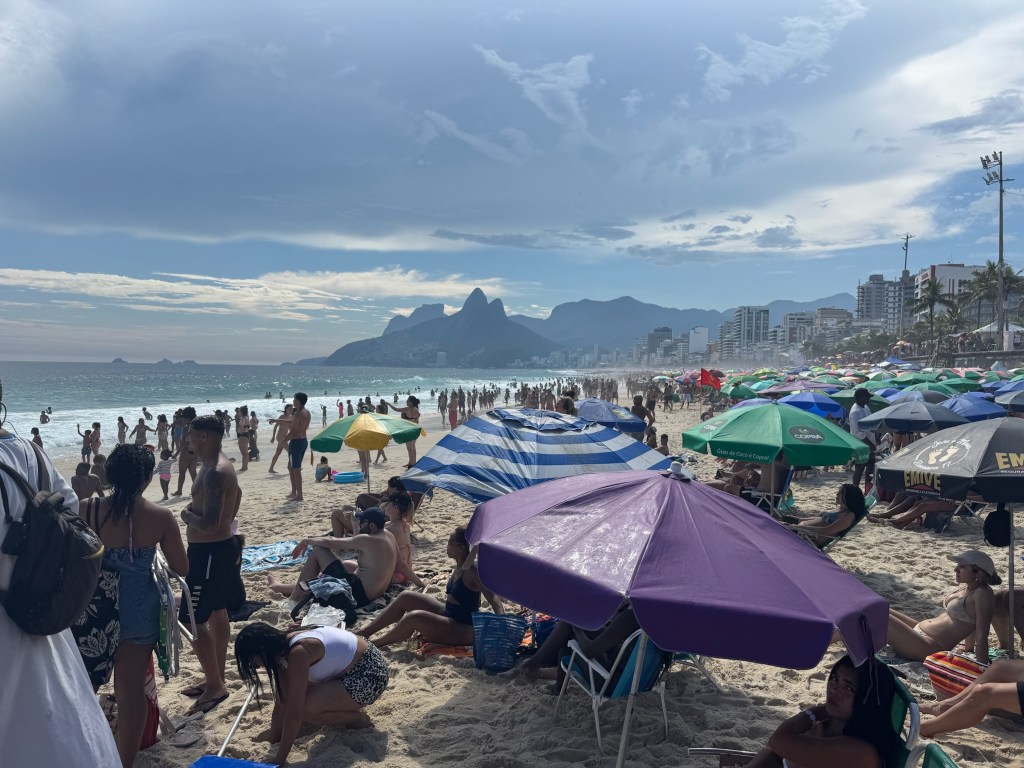
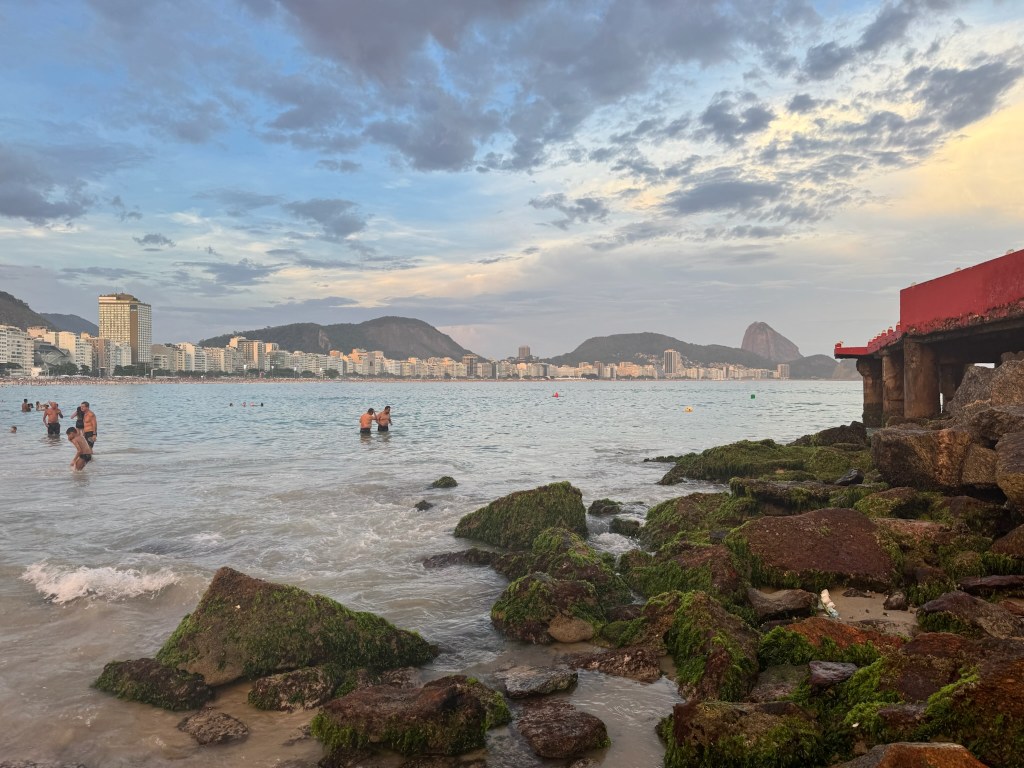
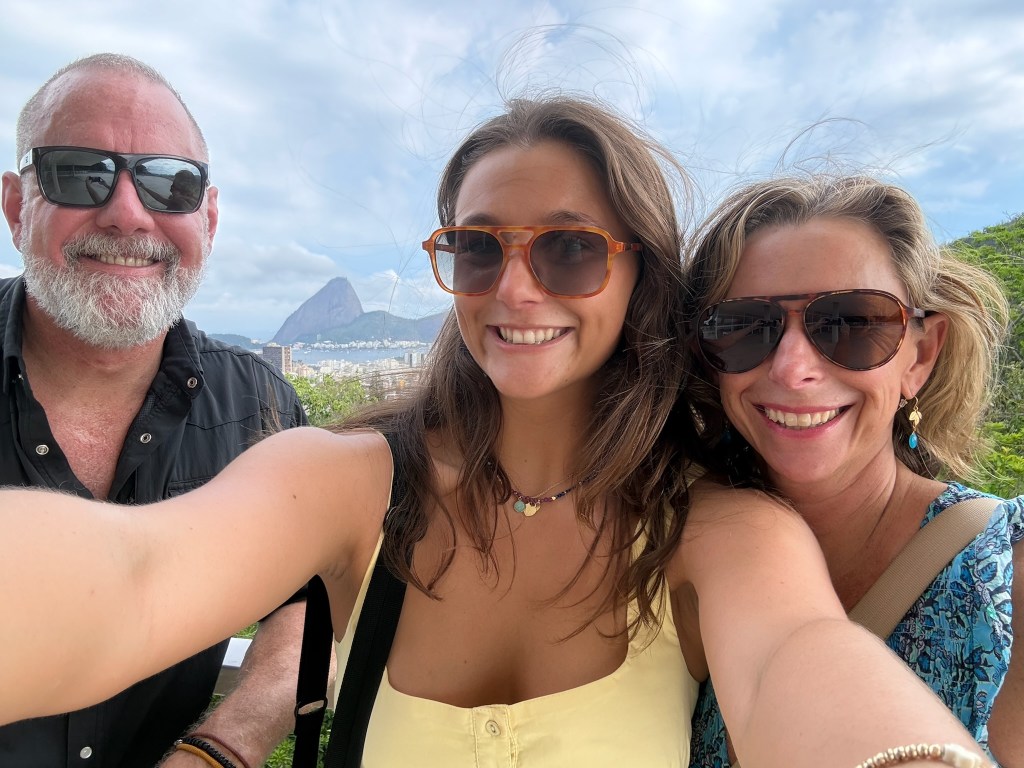
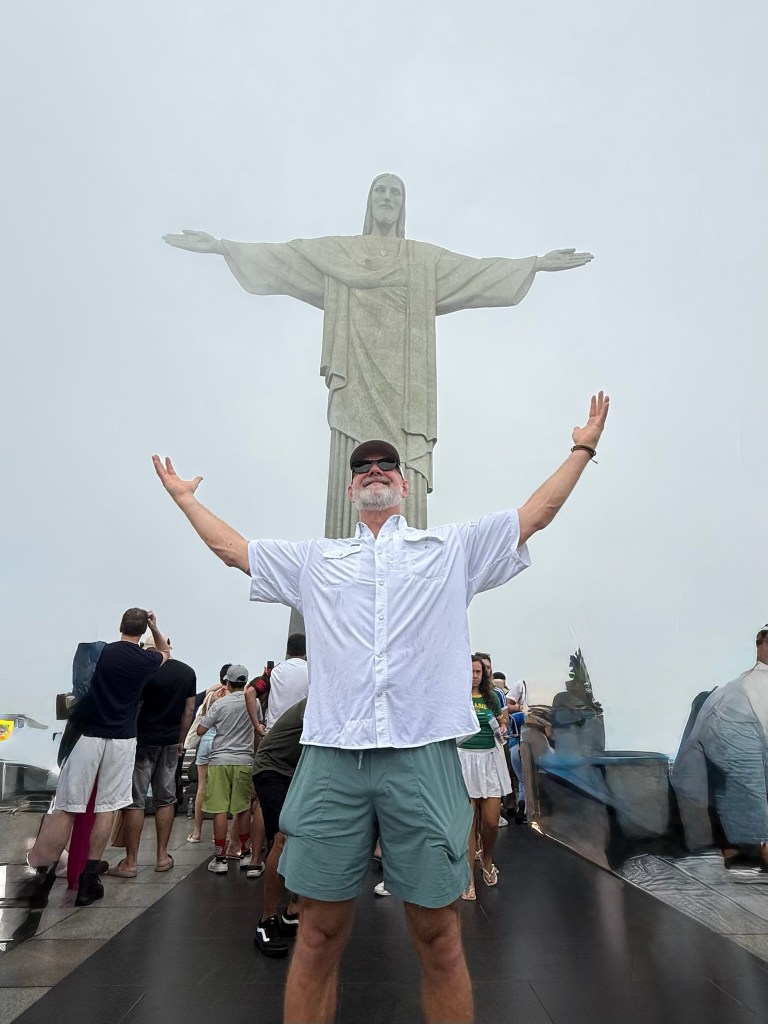
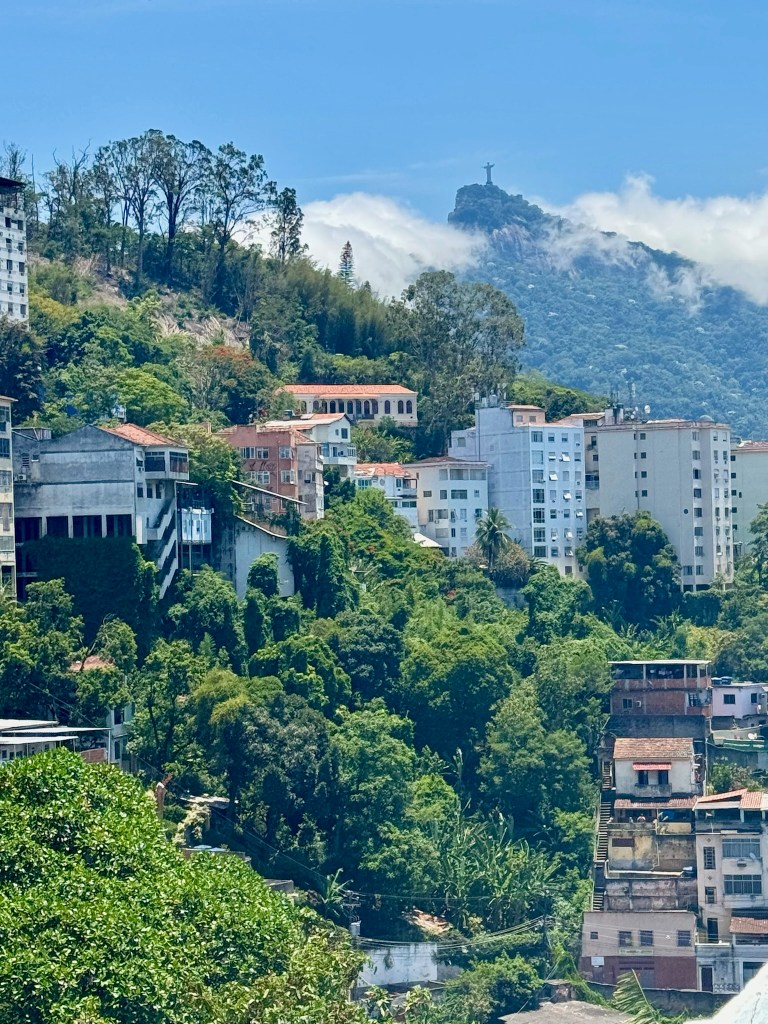
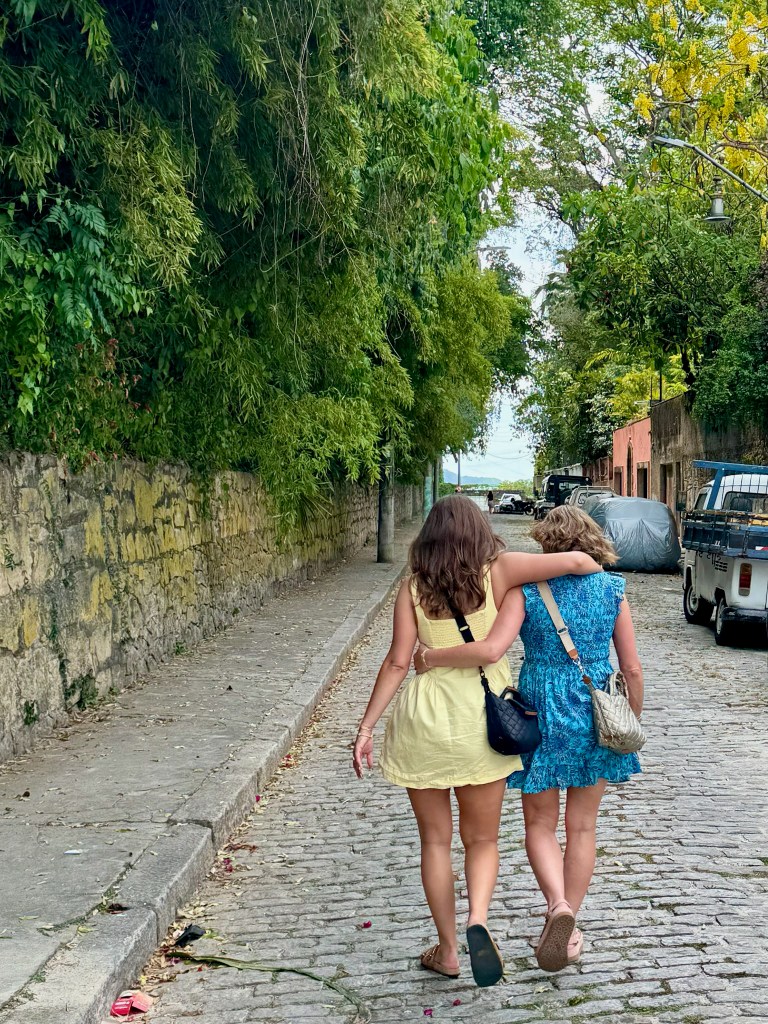
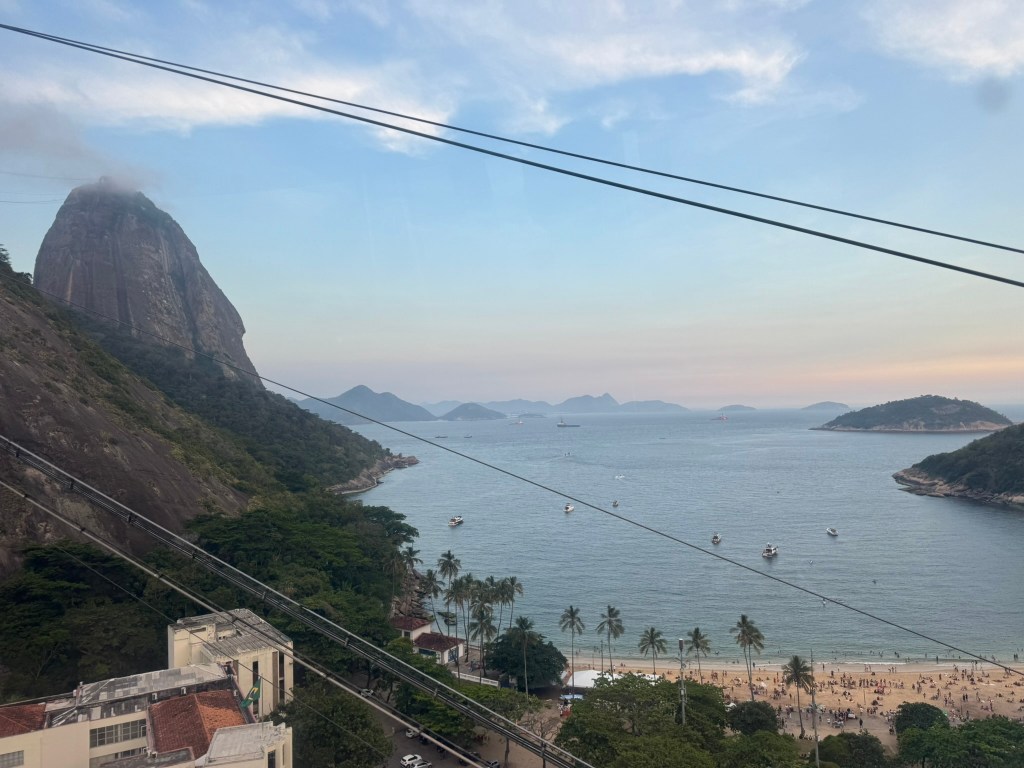
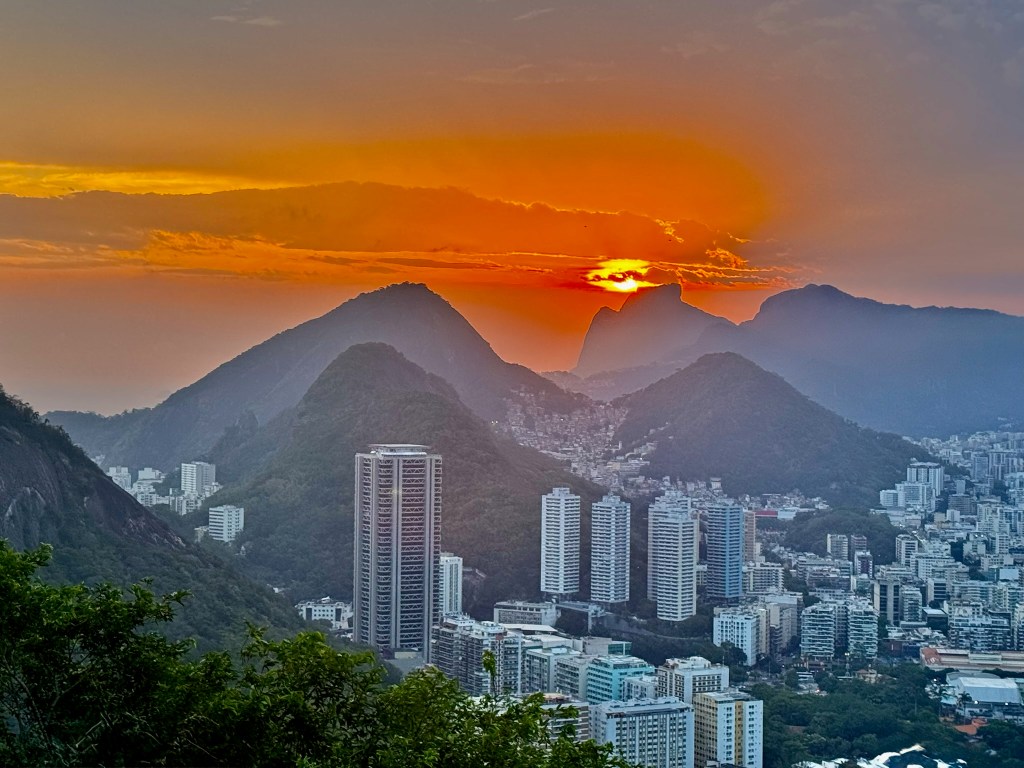
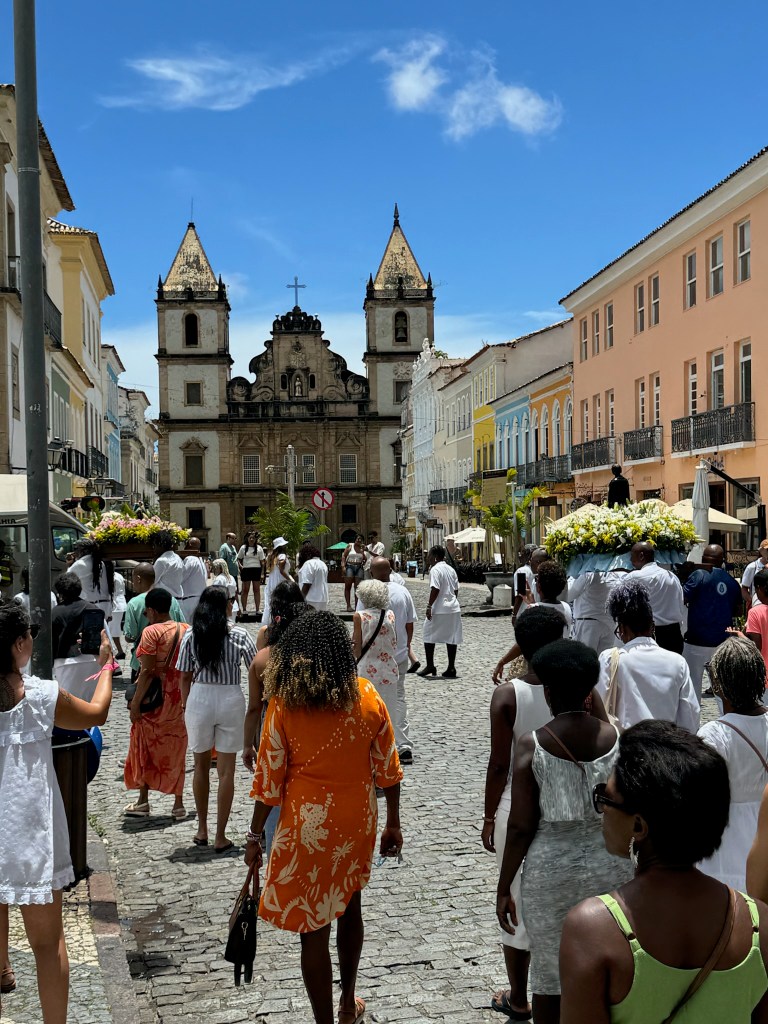
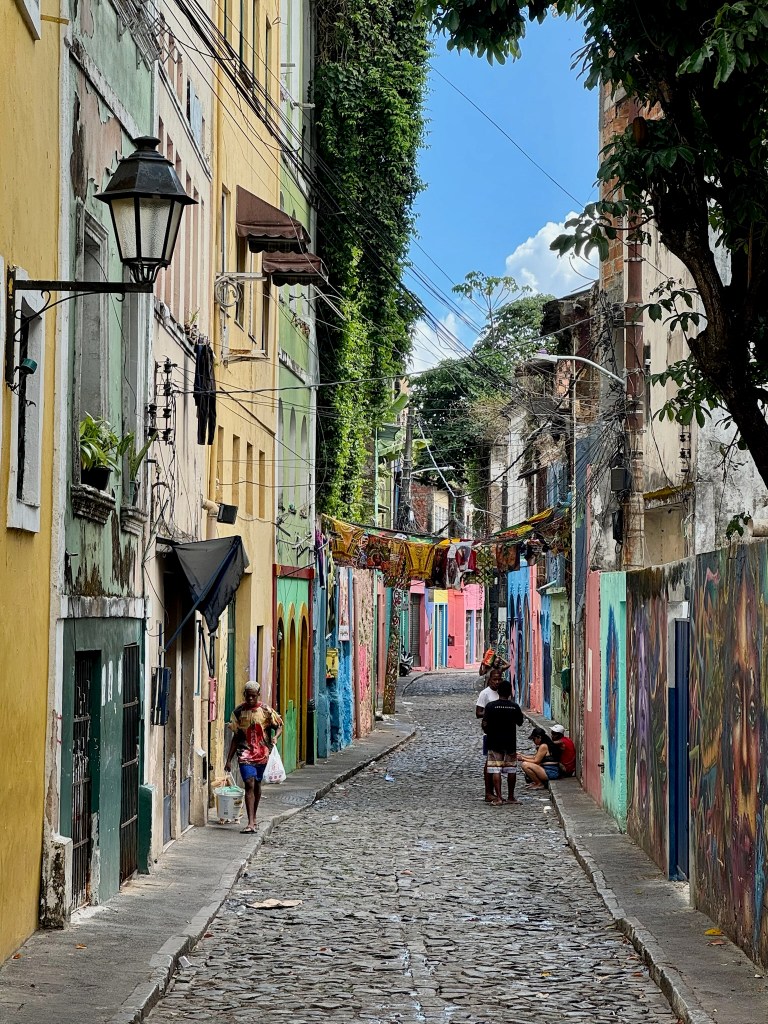
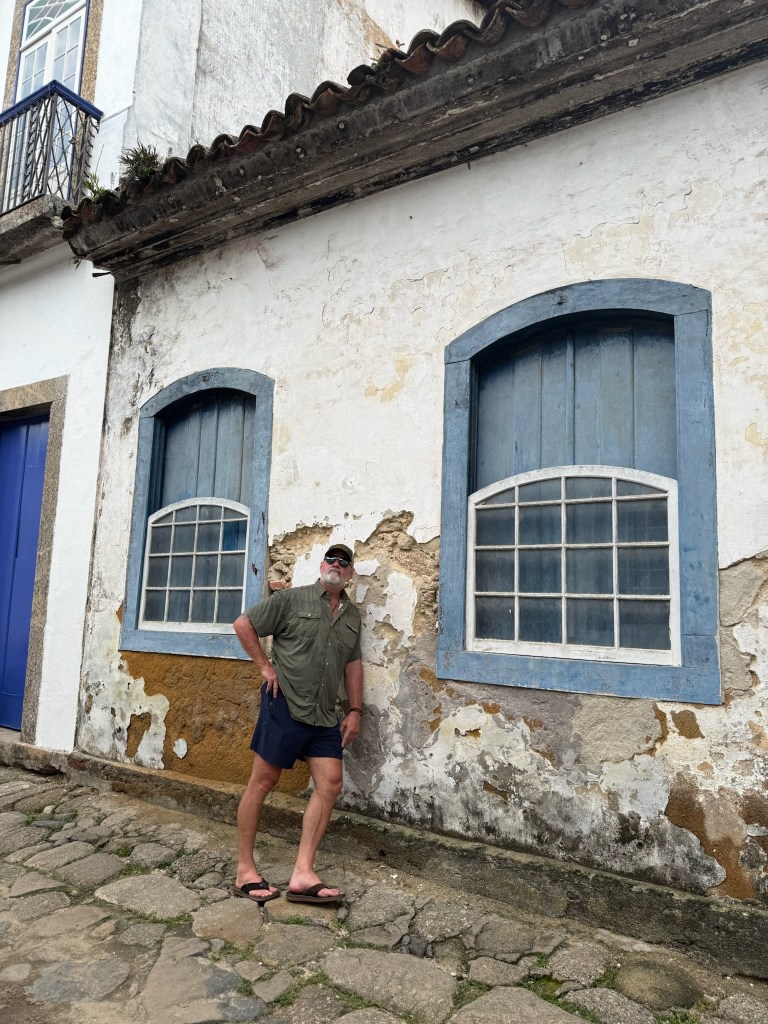
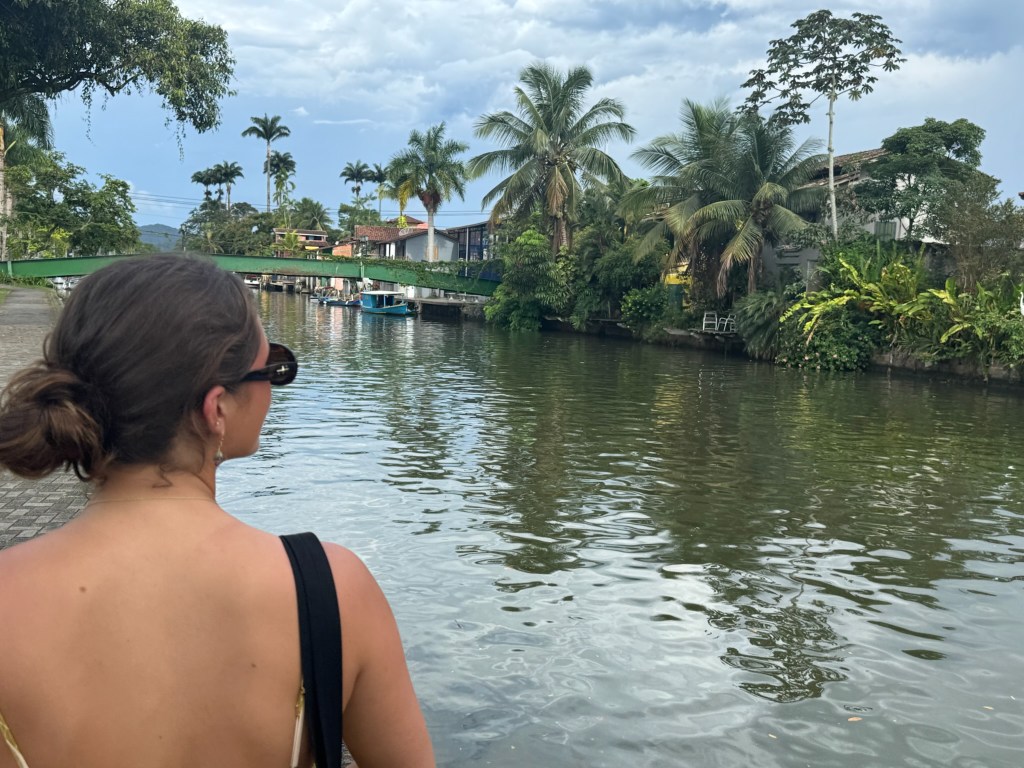
This holiday season, my wife, my daughter, and I traveled through Rio de Janeiro, Paraty, Buenos Aires, and Salvador — not simply to see new places, but to witness the breadth of the human story firsthand. Over the course of two weeks, what we saw, heard, and felt kept drawing me back to a few persistent reflections.
First, there are an astonishing number of us. More than eight billion human beings share this planet — a number that’s hard to comprehend until you find yourself standing shoulder to shoulder with two million people on Copacabana Beach on New Year’s Eve. Scientists sometimes describe humans as the most widespread and disruptive invasive species on Earth. When you see the scale of our reach — our cities, our consumption, our footprint — it’s not hard to understand why.
Second, that scale becomes even more visible in places shaped by overtourism. I’ve left cities like Venice, Barcelona, Mexico City — and now Rio — carrying a quiet sense of guilt about how my leisure travel may have contributed to the strain on those communities. The beauty we seek can be fragile. And our presence, even well-intentioned, has consequences.
And third — perhaps most quietly but most powerfully — I was reminded that we can live on far less than we think. And that doing so might bring us closer to what actually matters.
Transformation travel has a way of clearing us out and loosening our assumptions. It can reframe what we believe is necessary. It can gently expose the excess we often mistake for need. Not through dramatic declarations or vows to renounce modern life, but through a slow accumulation of moments that ask a softer question:
What am I holding onto — and why?
Because our personal stories are never separate from the larger human story we’re helping to write.
Seeing Rio Clearly
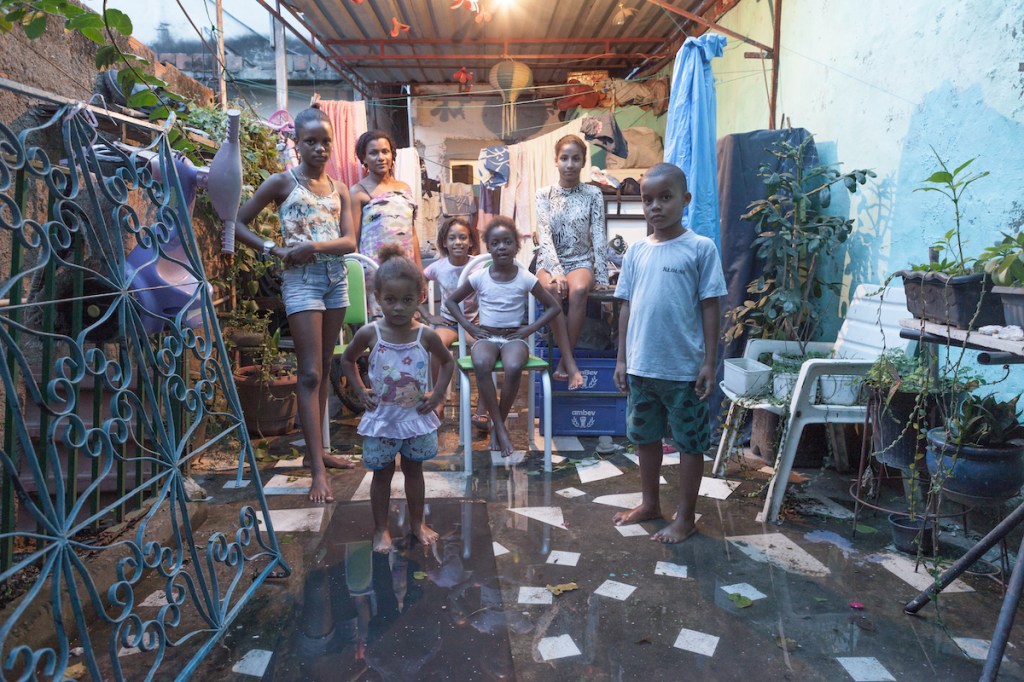
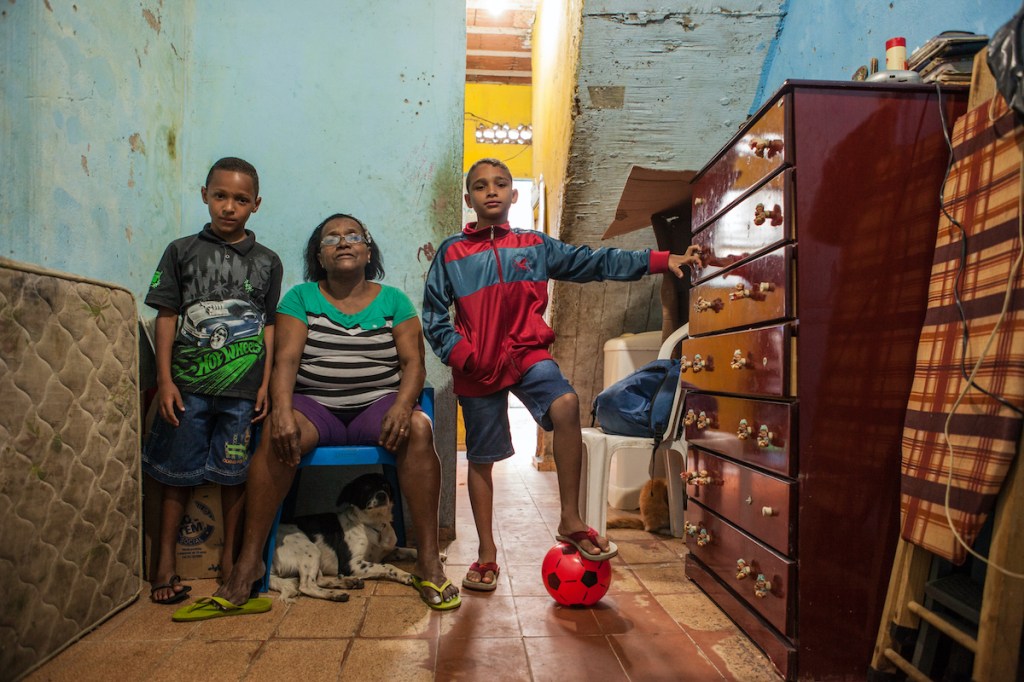
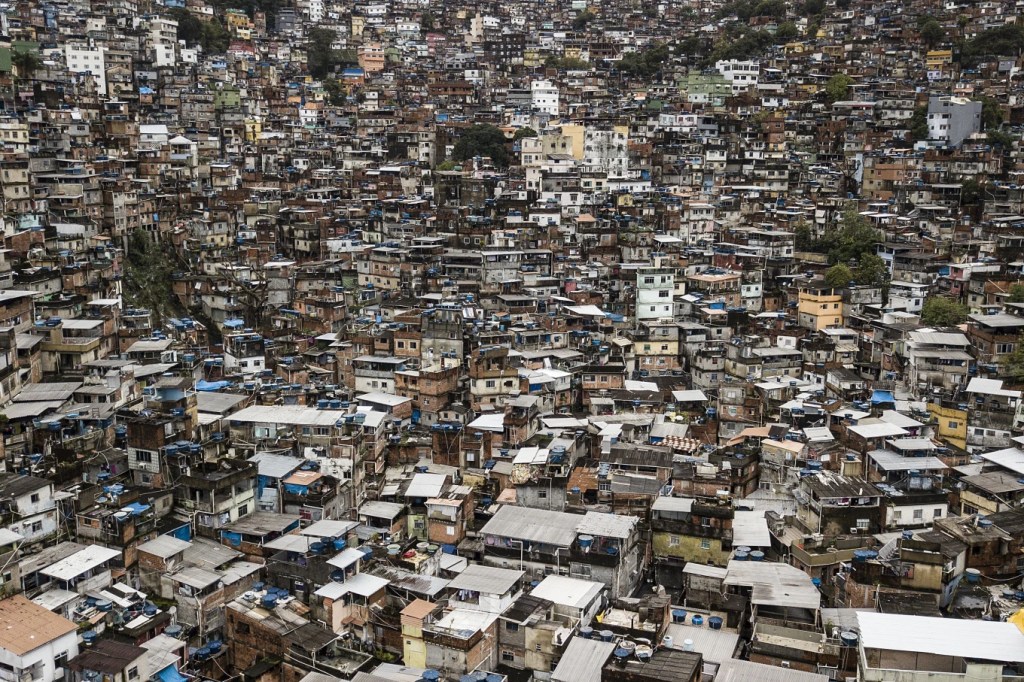
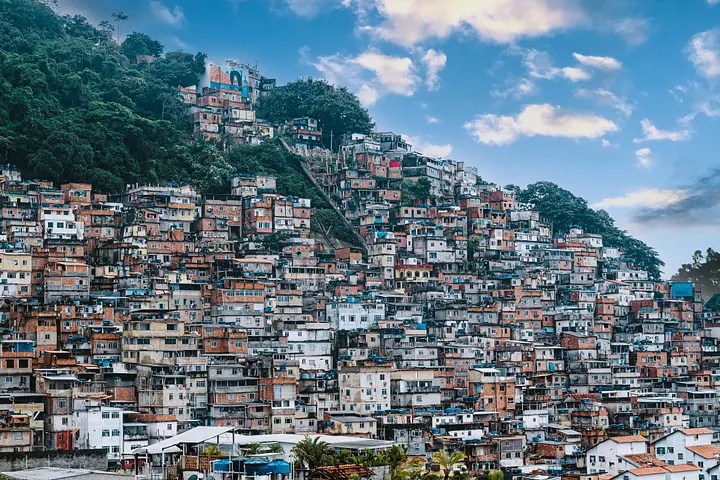
Rio de Janeiro is breathtaking. The ocean spills into the city. Mountains rise straight out of neighborhoods. Music seems to exist in the air whether you’re listening for it or not. But what struck me most wasn’t the skyline, Christ the Redeemer or the beaches of Copacabana and Ipanema.
It was the favelas.
Favelas are informal communities built primarily on hillsides, often constructed from brick, scrap materials, and sheet metal. They began forming in the late 19th and early 20th centuries as people migrated to cities in search of work, only to find no affordable housing available. With nowhere else to go, people built homes wherever they could—stacked tightly, growing upward and outward over generations.
Nearly 16 million people live in favelas across the country with an estimated 1.3 million of those people living in the 1,000 individual favelas of Rio De Janeiro alone. That’s roughly 25% of Rio’s total population. Rio’s oldest favela, Providência, was founded in 1897 within a decade of the abolition of slavery, in the Port area that received two million enslaved Africans (four times the number taken to the United States).
In many favelas, families live without reliable running water, sewage systems, or air conditioning, despite brutally hot weather. Homes are packed together so closely that one family’s roof becomes another family’s front porch. Privacy is minimal. Space is shared. Life is loud, layered, and deeply interconnected.
And yet, life goes on. Children play soccer in impossibly narrow alleys. Neighbors look out for one another. Music, conversation, and laughter spill out into the streets. There is hardship, sure—but also resilience, creativity, and a powerful sense of community that can’t be measured by income or square footage. Ultimately, the story of Rio’s favelas is one of hope in the face of adversity. Despite the challenges they face, favela residents continue to inspire with their unwavering spirit, reminding us all of the power of community to overcome even the most daunting of obstacles.
Perspective Is a Powerful Teacher
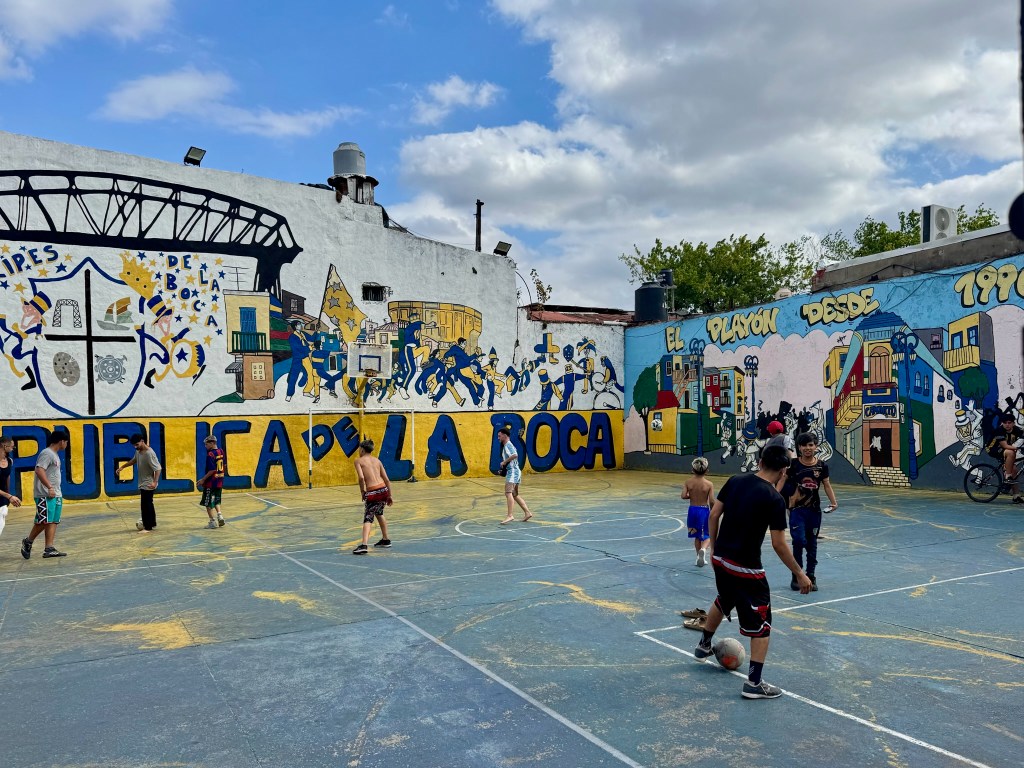
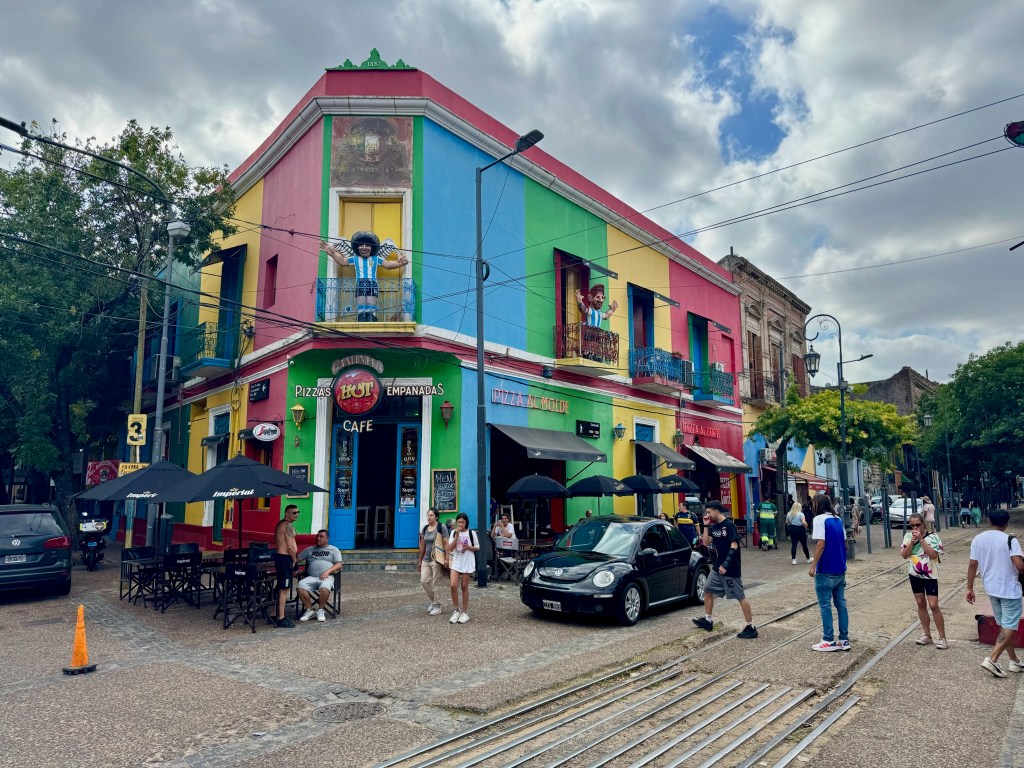
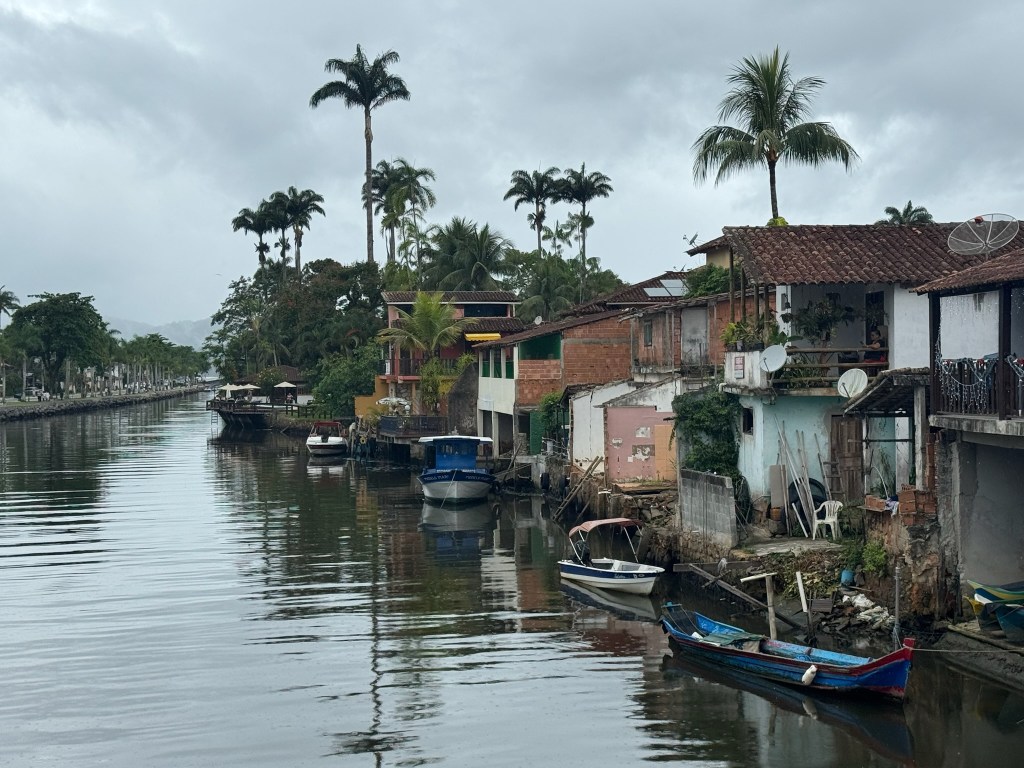
If you’ve never left the United States — beyond glimpses of hardship in places like rural Appalachia or under-resourced and marginalized neighborhoods in our major cities — it’s possible you haven’t yet seen how much of the world truly lives. And even when Americans do travel internationally, it’s often within carefully curated environments that feel familiar and insulated. A weekend at an all-inclusive resort in Cancun may technically cross a border, but it rarely crosses into another way of life. There’s nothing inherently wrong with that kind of travel — rest, relaxation and a few frozen cocktails certainly have their place — but it doesn’t necessarily expose us to the economic realities, cultural rhythms, or daily challenges that shape much of the global human experience.
There is another way to travel. One that asks a little more of you, but gives far more in return.
Despite what dominates television headlines or scrolls endlessly through our social feeds, most of the world is remarkably safe, welcoming, and alive with possibility. Traveling to global cities and immersing yourself in real communities—staying in local neighborhoods, eating where locals eat, grabbing food from street vendors, dancing in the streets with people who actually live there—offers a version of the world that is deeply human and profoundly grounding.
My family and I began traveling this way several years ago. Backpacks. Airbnb’s. Good walking shoes. And a simple rule: Never Check Bags. We’ve been fortunate to experience places like Bangkok and Marrakech, Mexico City and Málaga, Lisbon, Paris, and Barcelona. Ancient cities like Athens and Rome, and many others remarkable cities along the way.
It’s fun. It’s exciting. It’s sometimes exhausting. But it’s also a necessary slap in the face—a reality check that strips away assumptions and leaves me both deeply grateful and hungry for more adventure. Each time we take an adventure, I’m humbled by how the rest of the world lives.
Globally, the numbers are sobering. The average annual income worldwide is under $10,000, and the median is far lower—closer to $3,000 a year (or $8.21 a day). Hundreds of millions of people live on a fraction of what many Americans spend on conveniences we barely notice or think twice about. Hell, a venti latte at Starbucks can cost more then eight bucks.
And still, people across the world build lives. They raise families. They celebrate birthdays. They mourn losses. They fall in love. They laugh. They live fulfilled lives – arguably spending far less time complaining about their lot in life then us Americans do.
Standing this year in Rio De Janeiro, it became impossible to ignore how much of our suffering back home is not rooted in survival, but in expectation. We suffer because we are constantly measuring ourselves against a moving target: what we earn, what we own, what we drive, where we belong. The standard is never stable, and the finish line keeps moving just out of our reach.
We are taught—subtly and relentlessly—that success should be visible. That it should be admired. That it should be upgraded every few years, from the vehicles we drive to the homes we live in.
Travel has a way of poking holes in that story. It shows us that meaning and dignity don’t depend on excess, and that fulfillment often grows in places where resources are limited but relationships are the strongest.
Gratitude for the Ordinary
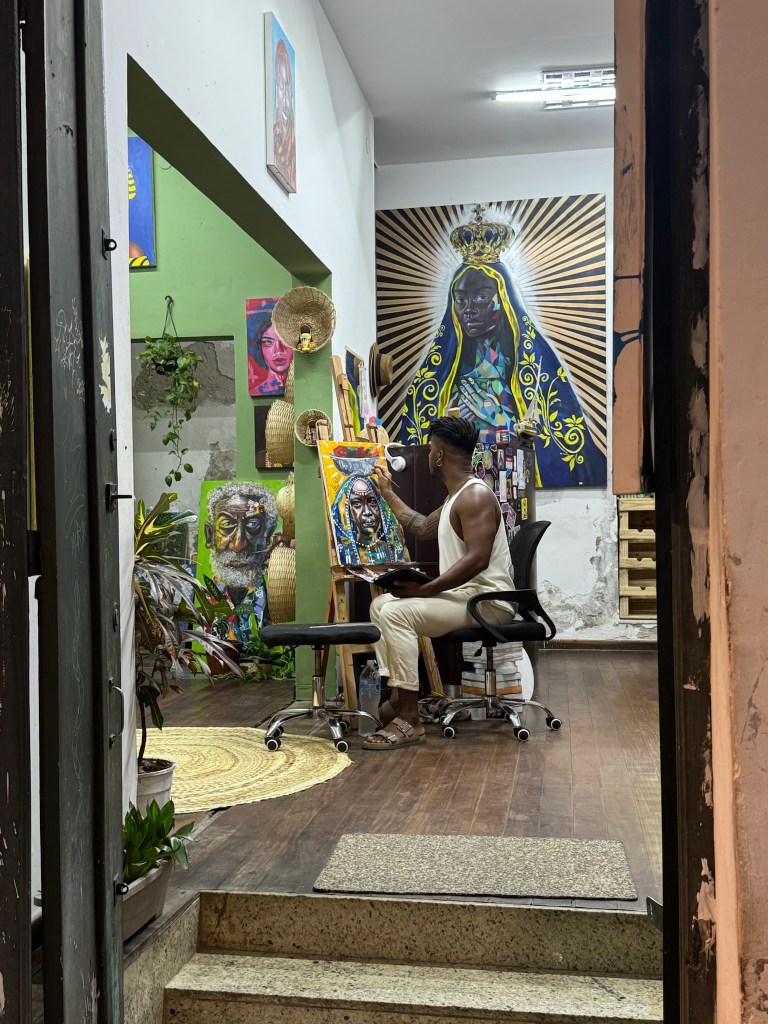
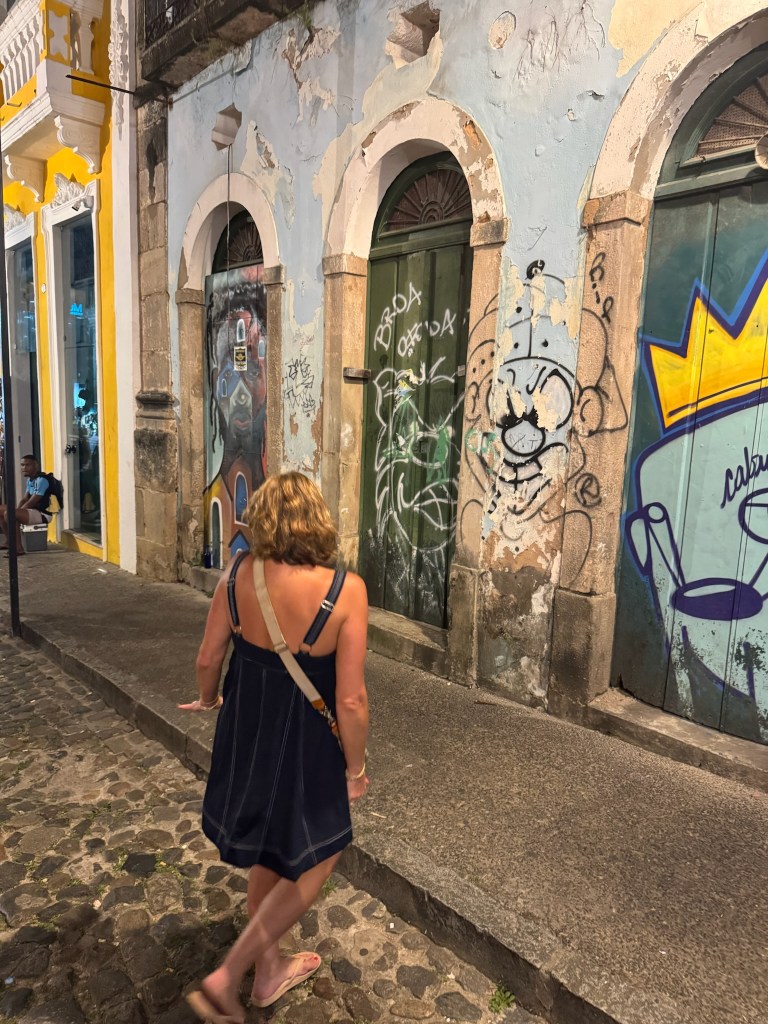
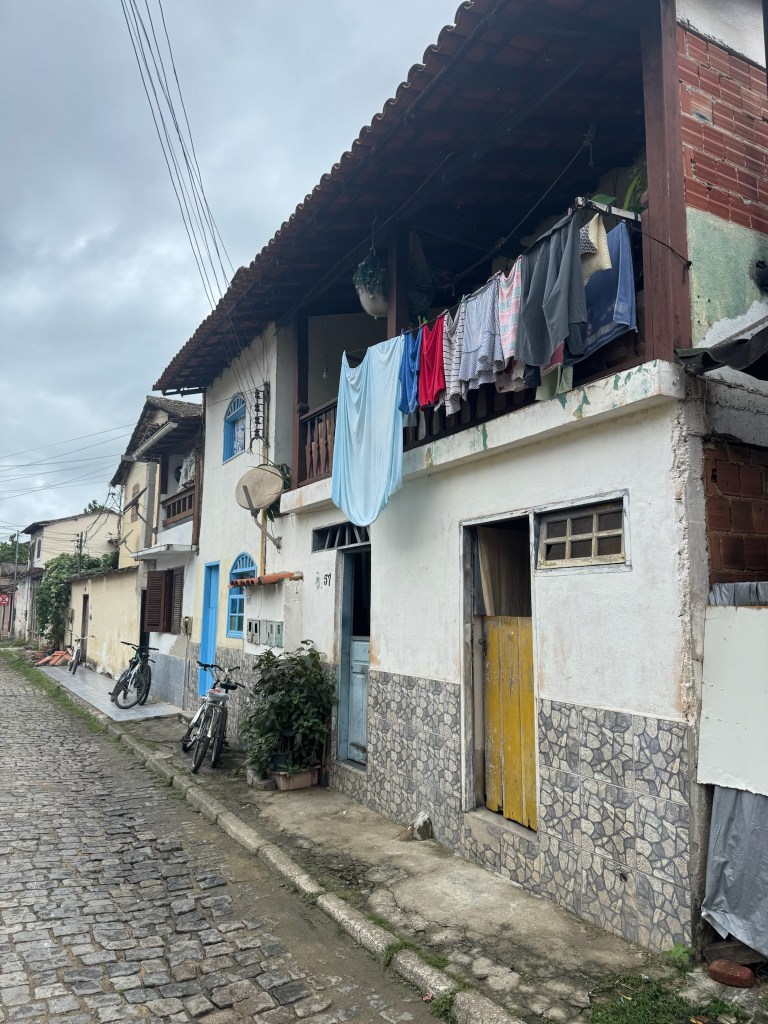
When you return from places where people live with far less, the smallest things suddenly stand out.
- A hot cup of coffee in the morning.
- Clean water from the kitchen tap.
- Food from across the globe waiting in the fridge (miraculously, never out of season).
- Clothes that fit, protect, and keep us warm.
- A quiet, comfortable bed at night.
These aren’t small things. They are extraordinary conveniences—so familiar that we forget how remarkable they are. Many people around the world navigate daily life without them, not because they lack effort or intelligence, but because they were born into different circumstances.
Gratitude doesn’t require guilt. It requires awareness. It asks us to notice what supports us every day and to stop treating abundance as entitlement.
What Are We Really Chasing?
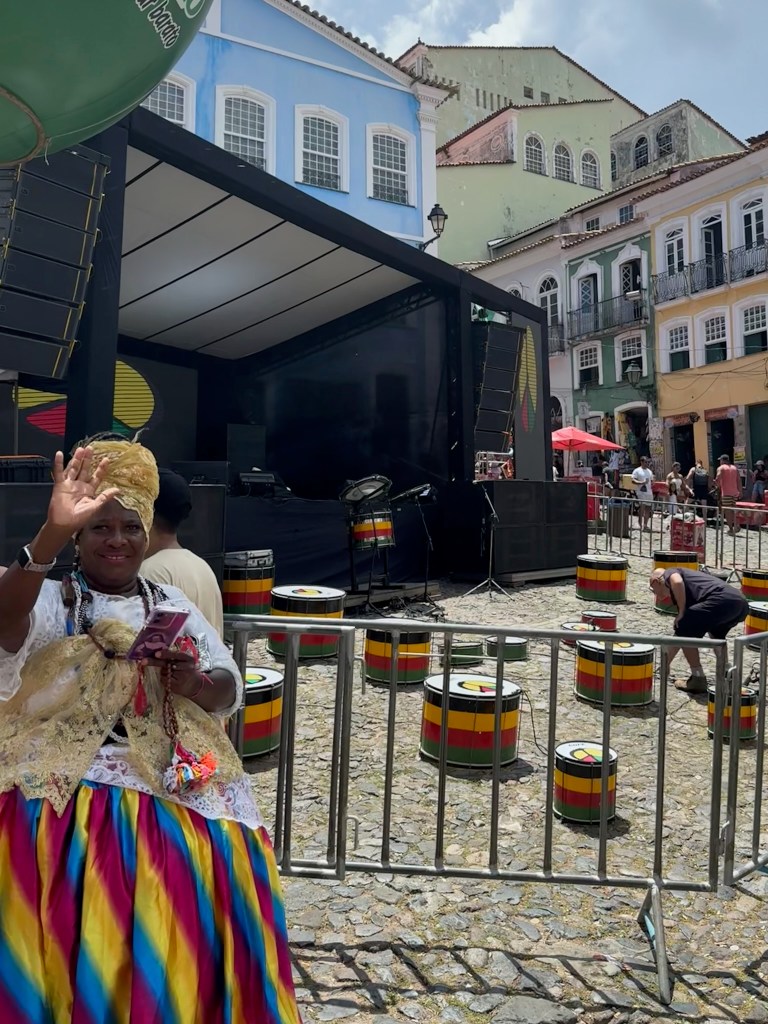
In America, we often tie our identity to our possessions. The car we drive. The clothes we wear. The neighborhood we live in. The exclusive country club we belong to. Somewhere along the way, comfort quietly turned into comparison, and comparison into raging bouts of anxiety and depression.
We don’t just want enough—we want more than whoever we’re measuring ourselves against. And that comparison quietly shapes our choices, our spending, and even our sense of self-worth.
The truth is, beyond basic needs, more stuff rarely delivers more peace. If anything, it often does the opposite. It demands attention. It creates pressure. It adds weight to our shoulders—financial, emotional, and mental.
Travel reminds me that a meaningful life is built far more on human connection than on consumption. On shared meals instead of curated images. On conversations instead of transactions. On time, presence, and love.
A Simple Invitation
This isn’t a call to give everything away or reject comfort. It’s an invitation to pause and reflect.
To ask yourself:
- What do I actually need?
- What am I holding onto out of habit rather than intention?
- What expectations did I inherit without ever choosing?
- Where could I loosen my grip and breathe a little easier?
We can survive—and truly thrive—on far less than we’ve been conditioned to believe. And when we loosen our grip on consumerism and redirect our attention toward rebuilding human connection, something remarkable happens. Our anxieties soften. Our days feel less crowded. Our relationships deepen.
Transformational travel has taught me that life isn’t about collecting more—it’s about experiencing deeper. From our cosmic beginnings to the ordinary miracles of our everyday lives, what matters most isn’t what we accumulate, but how fully we show up for The Story of Us.
To order Doug’s book, visit the link below:

 The Story of Us.
Leave a reply to douglasbrouwer Cancel reply